
7 Things to Check Before Buying an Industrial Flour Mill

Buying an industrial flour mill is not simply about choosing the machine with the highest capacity or the lowest price.
The right machine for your business depends on what you plan to process, the type of flour or meal you need to produce, your available power supply, production requirements, and even the space where the equipment will be installed.
Before investing in an industrial flour mill, here are seven important things to check.
1. What Materials Will You Be Milling?
Start with the material.
Not every flour mill is designed to process the same products in the same way. Some machines are designed primarily for wheat, while others can handle a wider range of dry materials.
Depending on the machine, this may include:
- Wheat
- Corn (maize)
- Sorghum
- Rice
- Millet
- Dried cassava
- Soybeans
- Feed ingredients
- Dry spices
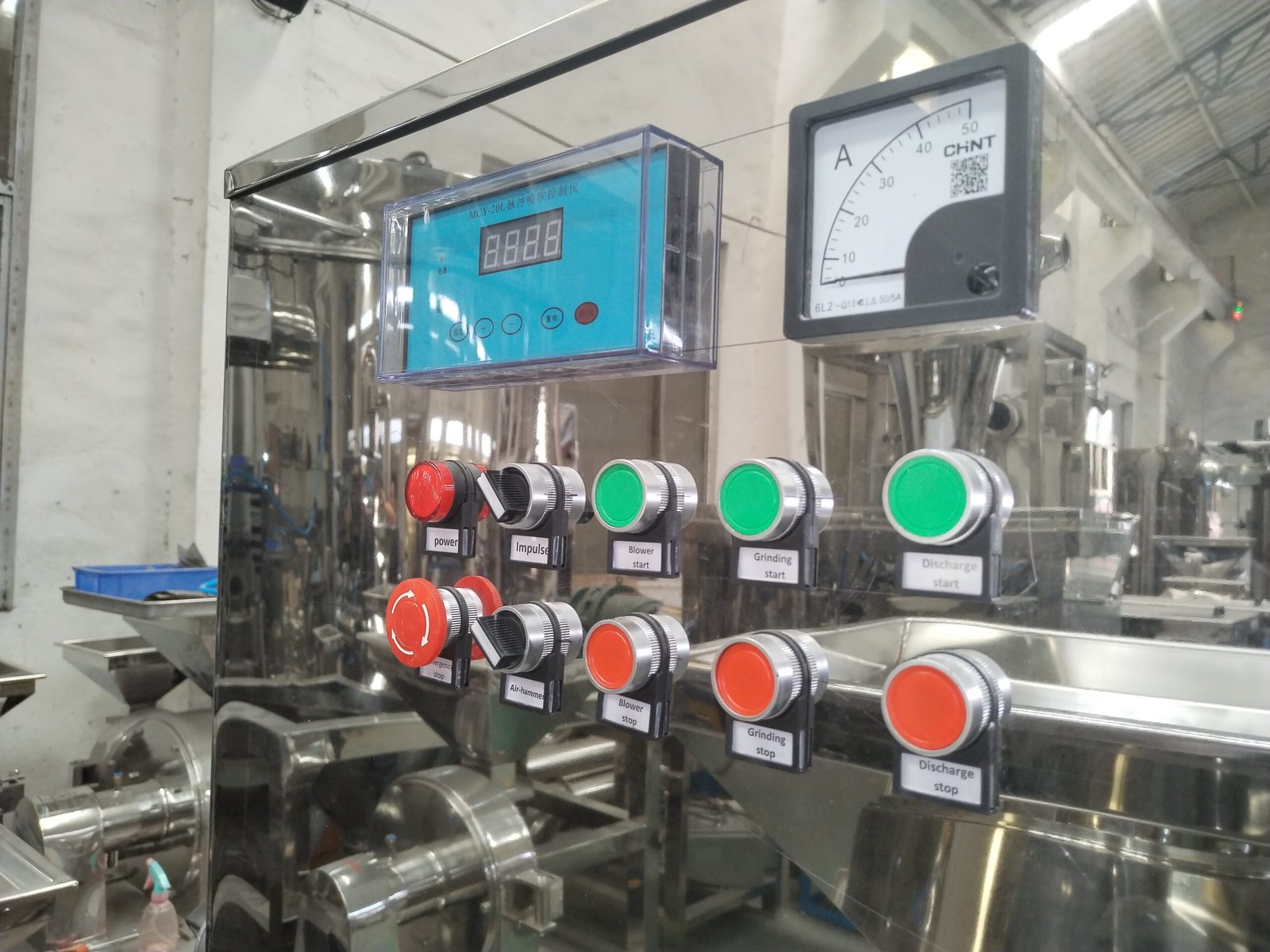
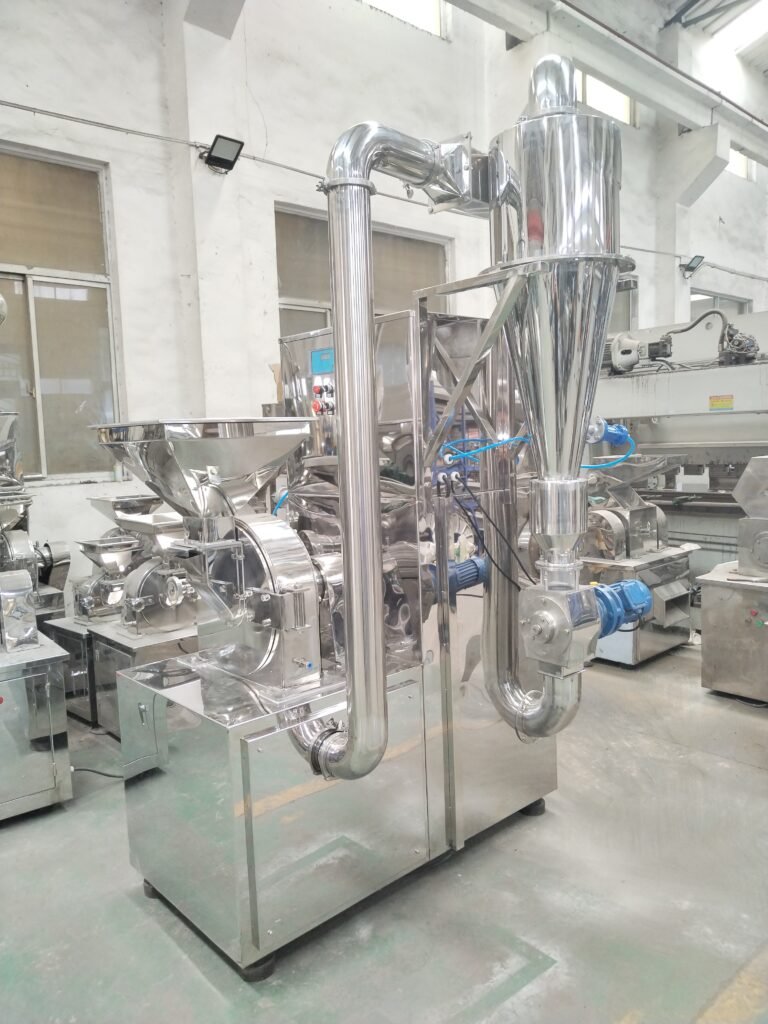
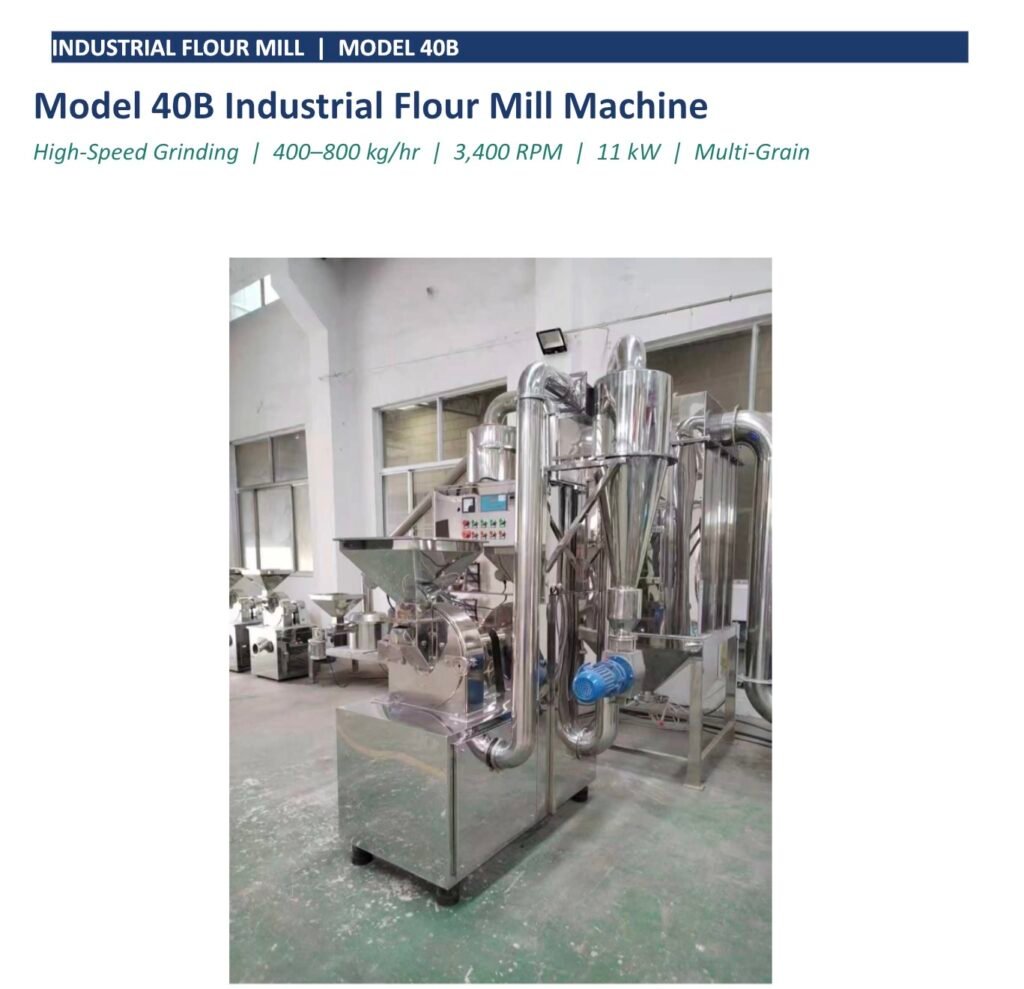
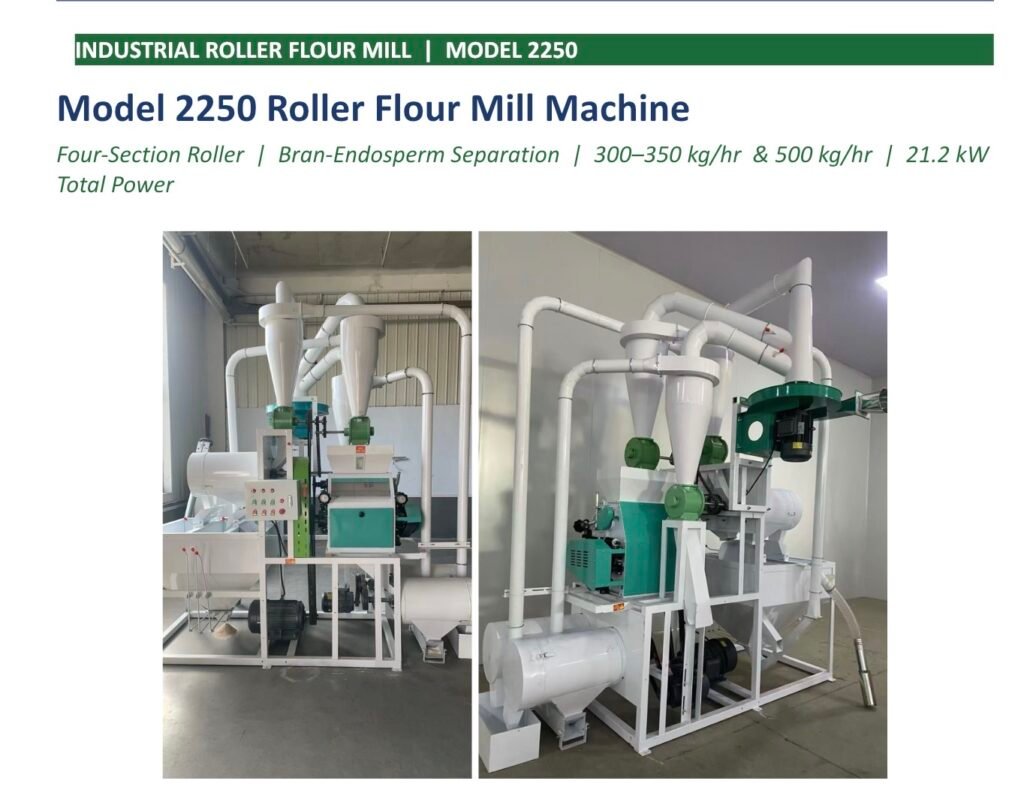
For example, the Model 2250 Roller Flour Mill is designed specifically for wheat milling, while the Model 40B Industrial Flour Mill is built for higher-volume grinding across multiple dry grain and crop materials.
Before choosing a machine, make sure the equipment is compatible with the materials your business actually plans to process.
2. Check the Production Capacity
Capacity is important, but bigger is not automatically better.
Ask yourself:
How much material does my business realistically need to process per hour or per day?
A machine with a capacity far above your actual production needs may require a larger investment, more installation space, and greater operational resources than necessary.
The Model 40B, for example, has a production capacity of approximately 400–800 kg per hour, while the Model 2250 is designed for approximately 300–350 kg per hour.
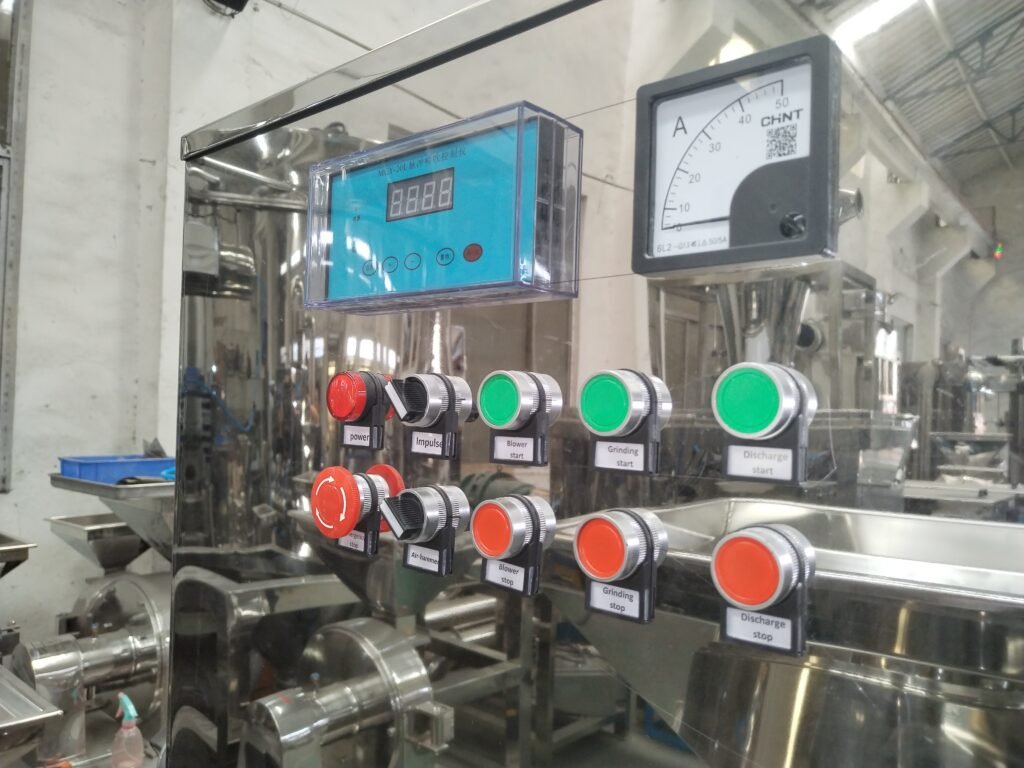
Your choice should be based on your expected production volume, not simply the largest capacity available.
3. Consider the Type of Milling Mechanism
Different industrial flour mills use different grinding methods.
A roller mill processes material differently from a high-speed impact or hammer-type mill. This affects the type of material the machine handles and the final product it produces.
For example:
- Roller milling can be suitable for producing refined wheat flour.
- High-speed impact grinding can offer more flexibility across different grain types and output sizes.
This is why it is important to understand not only what a machine can process, but also how it processes it.
The milling mechanism should match your intended product and production requirements.
4. Check the Required Output Fineness
What do you want the finished product to look and feel like?
Some businesses need fine flour for food processing, while others require coarser meals for animal feed or other applications.
The Model 40B offers an adjustable fineness range of approximately 20–120 mesh, allowing operators to produce outputs ranging from coarse meal to fine powder.
A machine with adjustable output can provide greater flexibility, but only if that flexibility is useful for your business.
Before buying, define your required product specification and confirm that the machine can consistently produce it.
5. Confirm Your Available Power Supply
An industrial flour mill cannot perform properly without the right power infrastructure.
Before purchasing, check:
- The machine’s total power requirement
- Whether three-phase power is required
- Your site’s available electrical capacity
- Whether the correct wiring and protection systems are in place
For example, the Model 40B has a total installed power requirement of 14 kW, including the main grinding motor and integrated dust collection system.
Power requirements should be checked before the machine arrives, not after installation begins.
6. Consider Installation and Available Space
Industrial milling equipment needs more than just enough room to fit inside a building.
You also need space for:
- Loading raw materials
- Collecting finished products
- Operator movement
- Cleaning and maintenance access
- Safe installation and operation
Machine weight is also important. Heavy industrial equipment may require suitable flooring, proper anchoring, and lifting equipment during installation.
Always check the machine dimensions, weight and site requirements before making a final decision.
7. Think About Maintenance and Long-Term Operation
The purchase price is only one part of owning an industrial flour mill.
Over time, components such as grinding elements, screens, bearings and filters may require inspection, cleaning or replacement.
- Which parts require regular maintenance?
- How often should the machine be cleaned?
- Are key components replaceable?
- What operating practices help prevent unnecessary wear?
- What site preparation is required?
A machine that matches your production needs but is difficult for your business to maintain may create avoidable operational problems later.
The Right Industrial Flour Mill Depends on Your Operation
There is no single industrial flour mill that is automatically the best choice for every business.
A wheat processor focused on refined flour production may need a different machine from a feed manufacturer processing multiple ingredients. A business that needs adjustable output sizes may also have different requirements from one producing a single type of flour.
The best approach is to look beyond price and compare the machine’s capacity, compatible materials, milling mechanism, output requirements, power needs, installation requirements, and maintenance needs.
Choosing the right machine starts with understanding what your growing business actually needs the machine to do.
Talk to Brandsquare About Your Milling Requirements
Brandsquare supplies industrial and agricultural processing equipment for different production needs.
If you are considering an industrial flour mill, our team can help you discuss the type of material you want to process, your expected production capacity, and the equipment requirements for your operation.
Contact Brandsquare at +234 708 296 4247 to discuss your industrial milling equipment requirements.
Continue Learning
If you are exploring grain processing and flour milling, you may also find these articles useful:
- What Is an Industrial Flour Mill and How Does It Work?
- Why Dust Collection Matters in Industrial Flour Milling
Explore industrial, agricultural, and processing equipment from Brandsquare or contact our team to discuss the equipment requirements for your operation.
1 comment on “7 Things to Check Before Buying an Industrial Flour Mill”