
How to Start a Feed Pellet Production Business

Starting a feed pellet production business can be an opportunity for farmers and agricultural entrepreneurs who want greater control over their animal feed or want to supply feed to other farmers. Instead of buying ready-made feed for every production cycle, a properly planned setup allows you to process selected ingredients into uniform pellets.
However, starting a feed pellet business involves more than purchasing a pellet mill. You need suitable raw materials, equipment for preparing those materials, adequate electricity, production space, and a clear understanding of the type and quantity of feed you want to produce.
In this guide, we will explain the basic steps involved in starting a small feed pellet production business and what to consider before investing in equipment.
What Is Feed Pellet Production?
Feed pellet production is the process of turning prepared animal feed ingredients into compact, cylindrical pellets.
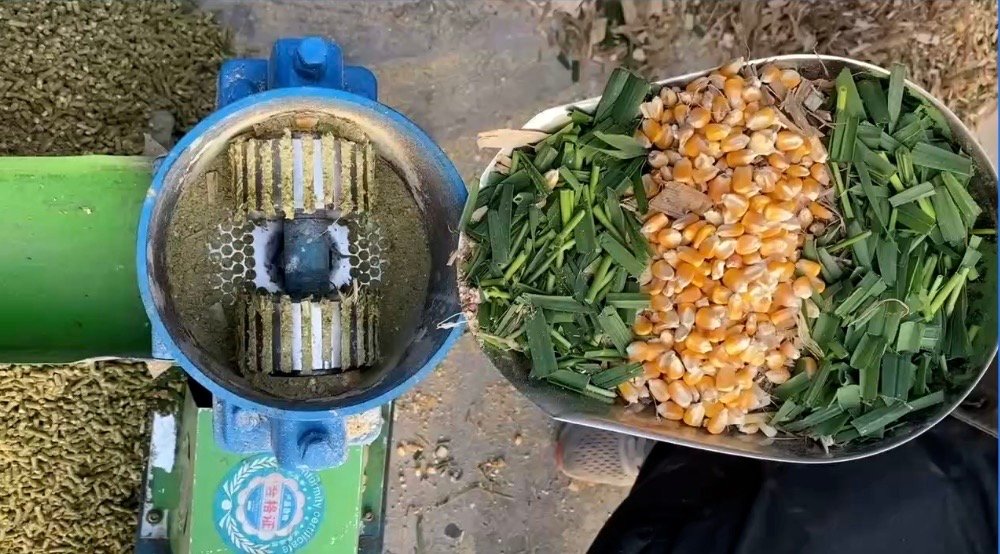
Ingredients such as corn, soybean meal, wheat bran, rice bran, grass meal, and other suitable materials can be combined according to the nutritional requirements of the animals being fed. The prepared mixture is then compressed through a pellet mill to form uniform pellets.
Pelleted feed is easier to portion, handle, transport, and store than loose ingredients. Producing your own pellets can also give farmers greater control over the ingredients and formulation used in their feed.
Who Can Start a Feed Pellet Production Business?
A small feed pellet operation can serve farmers producing feed for their own animals or entrepreneurs producing feed for sale.
Potential users include:
● Poultry farmers producing feed for chickens, ducks, turkeys, or quail
● Fish farmers producing feed for species such as catfish and tilapia
● Rabbit farmers producing suitable high-fibre feed
● Pig farmers producing formulated pig feed
● Cattle and livestock farmers producing suitable livestock pellets
● Agricultural cooperatives producing feed for member farmers
● Agro-entrepreneurs supplying feed to local markets
The appropriate production setup will depend on the animals you intend to serve and how much feed you plan to produce.
What Do You Need to Start Feed Pellet Production?
A pellet mill is an important part of the process, but it is not the only equipment you may need.
Raw Feed Ingredients
You need a reliable supply of suitable ingredients for your chosen feed formulation. These may include corn, soybean meal, wheat bran, rice bran, grass meal, fishmeal, and premixes.
Grinder or Hammer Mill
Many raw ingredients need to be ground before they can be effectively processed through a pellet mill.
A grinder or hammer mill reduces ingredients to an appropriate particle size, making them easier to mix and pelletize.
Feed Mixer
A mixer can help distribute ingredients consistently throughout the feed mixture. This is particularly important when several ingredients are being combined into one formulation.
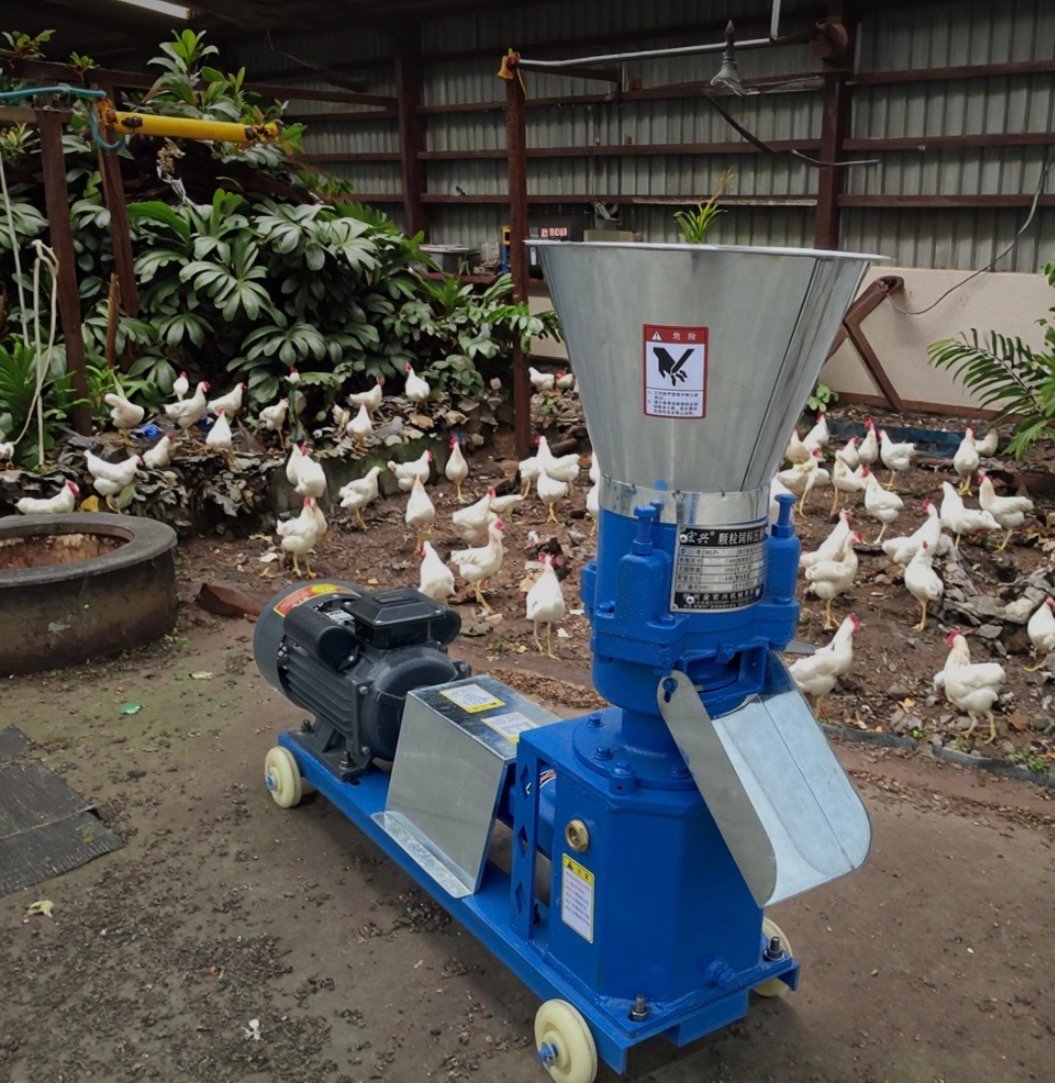
Feed Pellet Mill
The pellet mill compresses the prepared feed mixture into pellets.
BrandSquare offers Feed Pellet Mill models with different motor powers and production capacities, allowing buyers to select equipment according to their intended scale of production.
Electricity and Production Space
You will need an appropriate electrical supply for your selected machine, as well as enough space for equipment, raw materials, finished feed, and movement during production.
How Are Feed Pellets Made?
The basic process involves several stages.
1. Prepare the Ingredients
Select and clean the ingredients required for your feed formulation. Remove unwanted materials before processing.
2. Grind the Ingredients
Ingredients that require size reduction should be processed using a suitable grinder or hammer mill.
3. Mix the Feed
Combine the prepared ingredients according to your desired formulation.
4. Prepare the Mixture for Pelleting
Before pelleting, some farms may also need equipment such as a chaff cutter to prepare suitable roughage.
Moisture and consistency can affect pellet quality and machine performance. Follow the equipment manufacturer’s recommendations for the appropriate preparation of the material.
[ For more practical tips on agricultural machinery, feed processing, and equipment use, follow BrandSquare on Instagram, TikTok, Facebook, and X. We regularly share helpful content to help farmers and businesses better understand and use their machinery. ]
5. Pelletize the Feed
The prepared mixture enters the pellet mill, where rollers compress the material through holes in a metal die. The compressed material emerges as cylindrical pellets.
6. Cool and Store the Pellets
Fresh pellets may be warm after production. Allow them to cool before packaging and storing them in a clean, dry environment.
How Much Can a Small Feed Pellet Mill Produce?
Production capacity is one of the most important specifications to consider when choosing a pellet mill.
BrandSquare’s Feed Pellet Mill range includes models with production capacities ranging from smaller units of approximately 40–60 kg/hour to larger machines capable of producing several tonnes per hour.
For a small operation, the largest available machine may not necessarily be your best choice.
Consider your:
● Daily feed requirements
● Number of animals
● Expected customer demand
● Available electricity
● Production hours
● Future expansion plans
Choosing capacity based on your actual needs can help you avoid investing in equipment that is unnecessarily large for your operation.
How Much Does It Cost to Start a Feed Pellet Production Business?
The total cost depends on the size of your operation and the equipment required.
In addition to the pellet mill, your budget may need to cover, as mentioned above:
● Grinder or hammer mill
● Feed mixer
● Dies and replacement parts
● Electricity setup
● Raw materials
● Production space
● Packaging
● Storage
● Transportation
● Maintenance
The cost of a pellet mill also varies according to its motor power and production capacity. Before purchasing, confirm the current price and specifications of the model you are considering with the supplier.
What Should You Consider Before Buying a Pellet Mill?
Production Capacity
Choose a machine that matches the amount of feed you expect to produce. Your current production needs and plans should both be considered.
Power Requirements
Check the motor power and electrical requirements of the specific model before purchasing. Larger machines may require a more substantial electrical supply.
Raw Material Preparation
Remember that the pellet mill does not replace every stage of feed production. If your ingredients require grinding and mixing, you will need to account for those processes manually or the equipment required for them.
Pellet Size
Different animals may require different pellet sizes. The die used with the machine determines the diameter of the pellets, so confirm the appropriate die for your intended application.
Maintenance and Spare Parts
Ask about replacement dies, rollers, spare parts, servicing, and supplier support before making your purchase.
Is Producing Your Own Feed Worth It?
Producing your own feed can give farmers greater control over their ingredients and production process. It may also create an additional income opportunity for entrepreneurs who can produce consistent-quality feed and develop a reliable customer base.
Why Choose BrandSquare for Feed Pellet Production?
Choosing the right machine is only one part of setting up a feed production operation. You also need to understand your production requirements and select equipment that suits your intended application.
BrandSquare supplies agricultural, commercial, and industrial machinery to businesses in Nigeria, including equipment for feed production.
If you are unsure which pellet mill capacity or supporting equipment is suitable for your operation, BrandSquare can help you identify an option based on your production requirements.
Final Thoughts
Starting a feed pellet production business requires careful planning, but you do not necessarily need to begin at an industrial scale.
You can simply start by understanding how much feed you need, the type of animals you desire to rear, the ingredients available to you, and the production capacity you realistically require. From there, you can determine the equipment, electricity, space, and budget needed to build your setup.
Whether you want to produce feed for your own farm or develop a business supplying other farmers, choosing the right equipment is an important first step and you’re at the right place.
Ready to explore feed pellet production? Contact BrandSquare to discuss the pellet mill capacity and equipment requirements that fit your operation.