
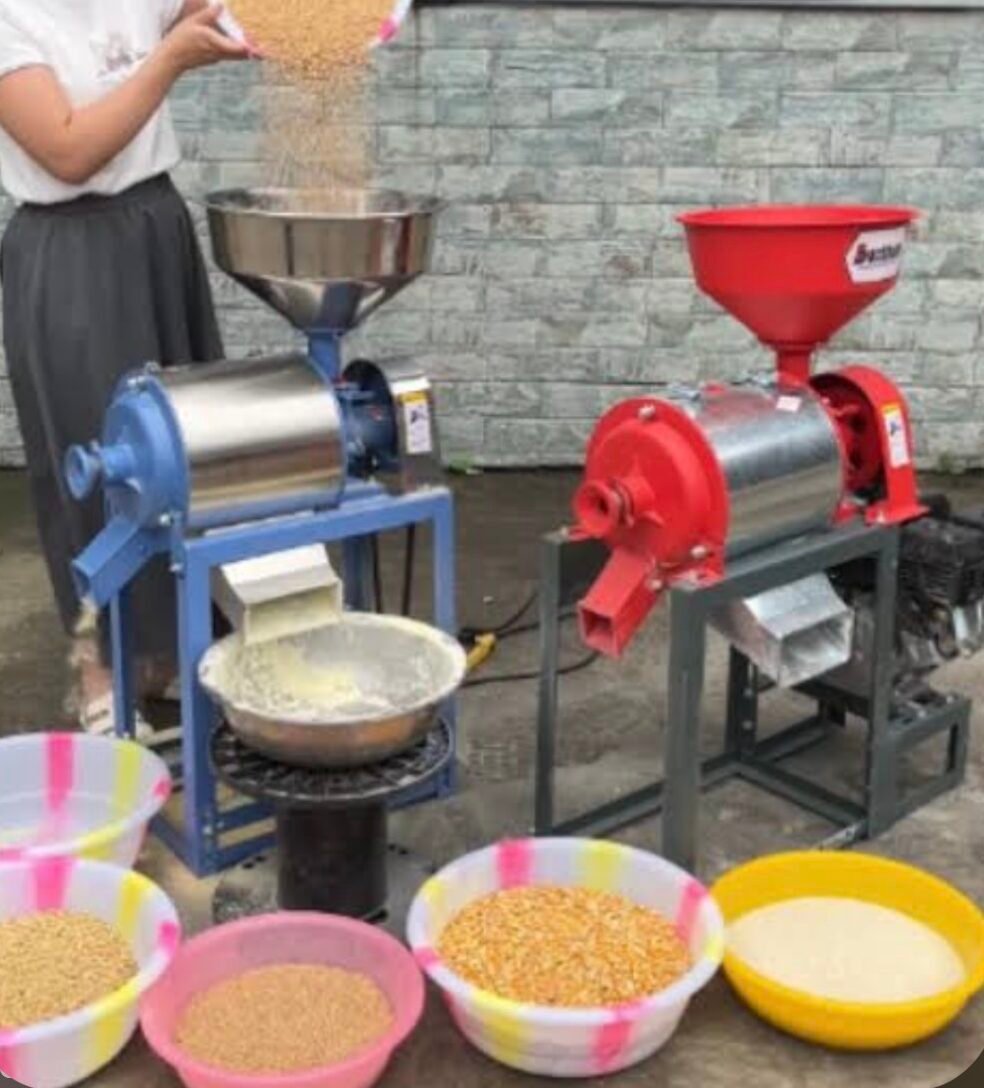
How to Prepare Wheat, Corn and Sorghum Before Milling

Wheat, corn, and sorghum can all be processed into flour, meal, or other products, but the condition of the grain going into the mill matters. Grain containing stones, dirt, plant material or excess moisture can create problems during processing and may affect the quality of the finished product.
Whether you are operating a small community mill, processing grain on a farm, or running a commercial food-processing business, proper preparation can help you get more consistent results from your milling equipment.
So how to prepare wheat corn and sorghum before milling?
Here are the main steps.
Why Grain Preparation Matters Before Milling
Milling is a mechanical process, but the machine is not responsible for preparing unsuitable raw material.
Clean, properly dried grain is easier to process than grain containing excessive moisture or foreign materials. Preparation also protects milling equipment from materials that should never enter the grinding chamber.
For businesses processing grain regularly, this preparation is not simply an extra step. It is part of maintaining a reliable milling process.
1. Clean the Grain
The first step is to remove visible dirt and unwanted materials from the grain.
Depending on how the grain was harvested, transported, or stored, it may contain dust, pieces of stalk, husks, leaves, or other plant material.
The cleaning method will of course depend on the scale of the operation. Small-scale processors may use manual cleaning methods, while larger operations can use grain cleaning equipment designed for continuous processing.
2. Remove Stones and Other Hard Foreign Materials
A stone mixed into a batch of grain can damage components inside a grinding machine and create unnecessary wear. Other hard foreign materials can present similar problems.
For small quantities, careful manual sorting may be practical. For larger volumes, a destoner or other grain-cleaning equipment can make the process more efficient.
If you operate a milling business, investing in proper grain preparation equipment can therefore be just as important as selecting the right mill.
3. Check the Grain’s Moisture
Grain that is too damp may not flow or grind as expected. Excess moisture can also contribute to clogging and make it more difficult to achieve a consistent output.
This is why grain should be properly dried and stored before it enters the milling machine.
A moisture meter can be useful for processors who handle grain regularly because it provides a more reliable way to check the condition of the grain than simply judging it by appearance.
The appropriate moisture level depends on the grain, milling process, and intended product, so processors should follow the requirements recommended for their particular operation and equipment.
4. Dry the Grain When Necessary
If the grain contains too much moisture, it should be dried before milling.
Drying should be done carefully. The objective is not simply to remove as much moisture as possible, but to bring the grain into a condition that is appropriate for storage and processing.
After drying, allow the grain to cool and ensure it is properly stored before milling. Grain that has absorbed moisture again during storage may need to be checked before processing.
This is particularly important in humid environments, where poor storage conditions can quickly affect previously dried grain.
5. Inspect the Grain Before Milling
Even after cleaning and drying, take a final look at the grain before feeding it into the machine.
Check for:
- Remaining stones or foreign materials
- Excessively damp or visibly damaged grain
- Signs of mould or spoilage
- Unusual odours
- Material that should have been removed during cleaning
This final inspection is simple, but it can prevent unsuitable material from reaching the milling chamber.
Does Wheat, Corn and Sorghum Require the Same Preparation?
The basic preparation principles are similar, but the characteristics of each grain are different.
Wheat should be clean and properly conditioned for the intended milling process. Depending on the type of flour being produced, additional preparation may be required before grinding.
Corn (maize) should be properly cleaned and dried, with stones and other foreign materials removed. The preparation requirements may also vary depending on whether the intended product is corn flour, meal, or another processed product.
Sorghum should likewise be cleaned thoroughly and kept in suitable storage conditions before milling. Depending on the application, processors may also need to consider the type and quality of the sorghum being used.
What Happens If Grain Is Not Properly Prepared?
Poor grain preparation can create problems at several points in the milling process.
Excessively moist grain may contribute to clogging and inconsistent grinding. Stones can damage grinding components. Dirt and unwanted materials can contaminate the product.
There is also the issue of output quality.
A milling machine can only work with the material it receives. If the raw grain varies significantly in condition, achieving a consistent finished product can become more difficult.
For a commercial milling operation, this can mean more interruptions, additional cleaning and maintenance, and less predictable production.
Preparing Grain for Fine Flour Grinding
Equipment such as a fine powder grinder can then use a suitable screen to determine the fineness of the material that passes through.
For example, the BrandSquare BB-F180Z is designed for grinding dry wheat, corn, and sorghum into fine powder. It uses a disc grinding system and a fine screen to produce a more refined output.
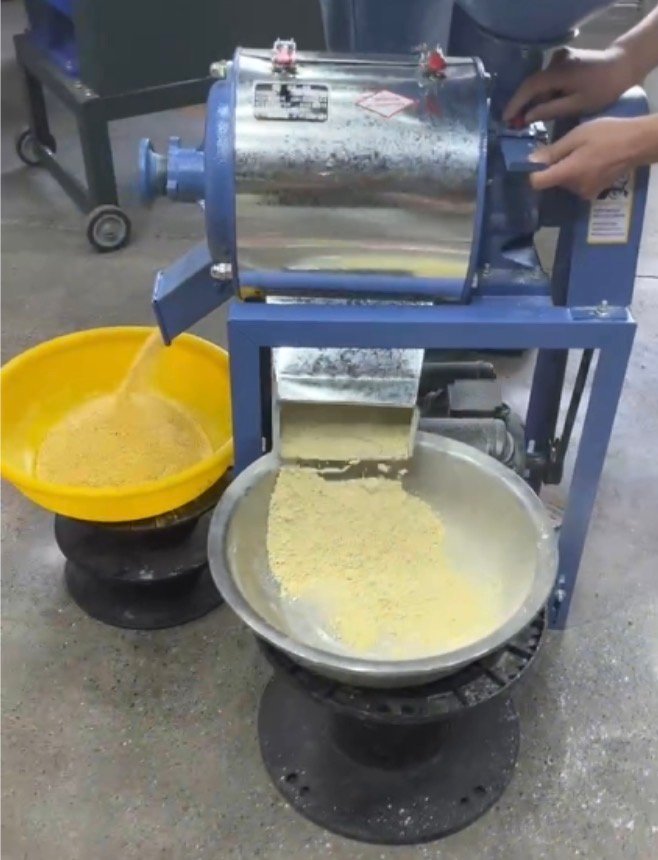
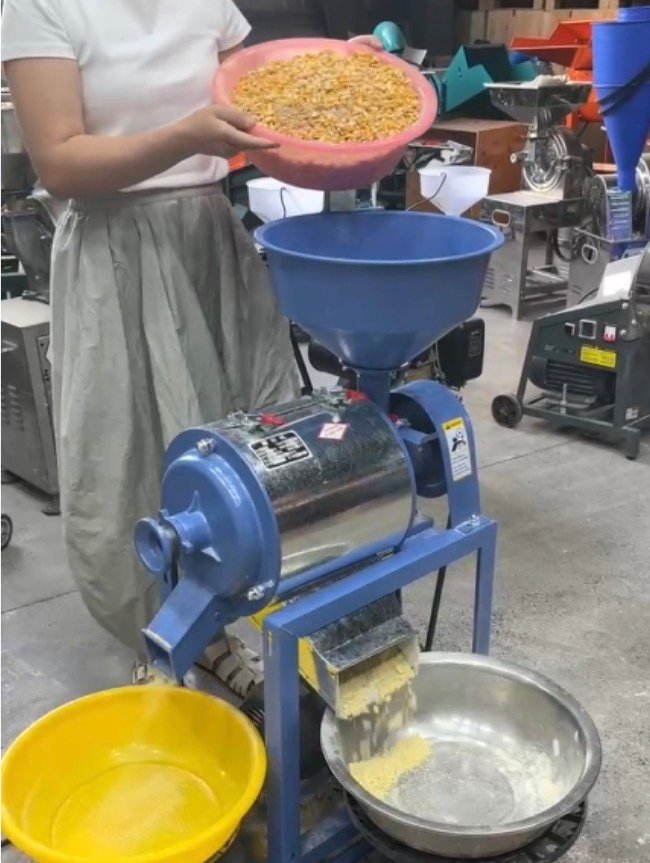
However, all models and machines should still be fed with clean, appropriately dried grain. Good equipment does not remove the need for good raw-material preparation.
Choosing the Right Milling Equipment
Once your grain is properly prepared, the next consideration is the milling equipment itself.
The right machine depends on factors such as:
- The type of grain you process
- The desired output
- Production volume
- Available power supply
- Available space
- The scale of your operation
A small farm processing grain for its own use will have different requirements from a community milling business serving customers every day.
Before purchasing a machine, consider not only its advertised capacity but also whether its design and output are suitable for the product you actually intend to produce.
Final Thoughts
Clean, properly handled, and suitably dried wheat, corn, and sorghum give your milling equipment better material to work with and help you maintain a more controlled processing operation for your business.
Explore Other Grain Milling Options
The BB-F180Z is one option for processing dry grains into fine flour, but it is not the only milling equipment available through BrandSquare.
We also have other grain grinding and milling models available, including previous and alternative models that may be better suited to different production capacities, applications, or operating requirements.
If you are comparing milling machines, it is worth looking beyond a single model and considering factors such as the type of grain you process, desired output, production volume, available power supply, and the fineness of the finished product.
Explore the available grain milling and grinding machines from BrandSquare, or contact our team at +234 708 296 4247 to discuss which option is suitable for your operation.
Continue Learning
If you are exploring grain processing and flour milling, you may also find these articles useful:
● Grinding vs. Pelleting: What’s the Difference?
Explore industrial, agricultural, and processing equipment from BrandSquare or contact our team at +234 708 296 4247 to discuss the equipment requirements for your operation.
1 comment on “How to Prepare Wheat, Corn and Sorghum Before Milling”