
How Sawmills Can Monetize Sawdust Waste
Sawmills generate a significant amount of sawdust and other wood residues during normal production. What is often treated as waste can however, potentially become a useful raw material for another product.
One option businesses can explore is converting suitable sawdust into biomass briquettes.
Instead of leaving large quantities of sawdust loose, a sawmill can process the material into a denser, more manageable fuel product that may have applications in households, restaurants, bakeries, industrial facilities, and other businesses.
But turning sawdust into briquettes requires more than simply purchasing a briquette machine. The business needs to consider its preparation process, raw material supply, production capacity, equipment, and target market.
Why Is Sawdust a Challenge for Sawmills?
Sawdust is a natural by-product of cutting, shaping, and processing wood.
In smaller quantities, it may be easy to handle. But for a consistently active sawmill, the volume can quickly become significant.
Loose sawdust takes up space and can be difficult to transport efficiently. It can also create additional housekeeping and storage challenges.
Rather than viewing sawdust only as a disposal problem, sawmills can explore whether the material can be converted into a more useful product.
What Are Sawdust Briquettes?
Sawdust briquettes are compact fuel products made by compressing suitable sawdust or other biomass materials under high pressure.
The pressing process reduces the volume of the loose material and forms it into a more uniform shape.
Depending on the machine and configuration, briquettes may be produced in cylindrical or other defined forms.
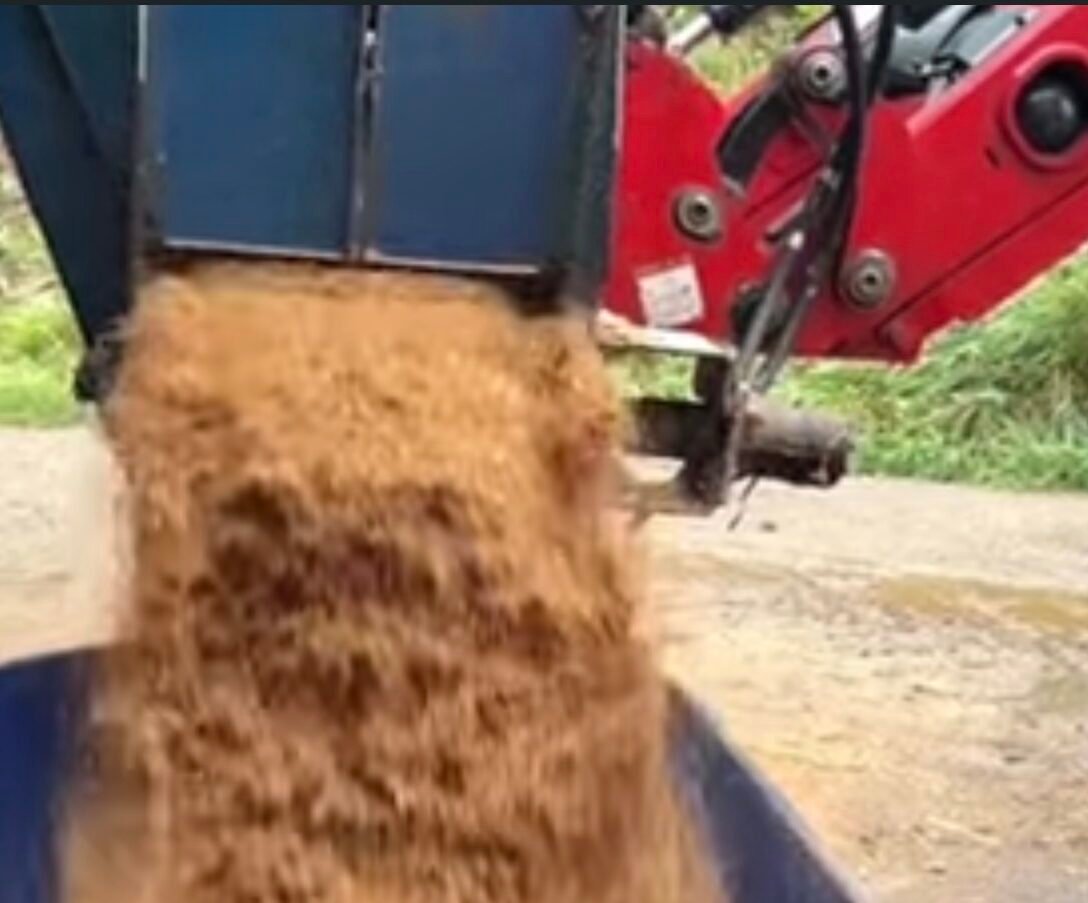
Live Production of Sawdust Briquettes For Sale
For suitable biomass materials, natural lignin in the wood can contribute to binding the particles together under appropriate pressure and heat.
This means an additional chemical binder may not be required for some sawdust briquette processes.
How Does the Process Work?
1. Collect the Sawdust
2. Prepare the Material
3. Press the Sawdust
4. Cool and Handle the Briquettes
Continue learning from Brandsquare; How-does-a-briquette-press-machine-work?
What Makes This Valuable for a Sawmill?
The major opportunity is that the sawmill already has access to raw material.
A business that will have to purchase sawdust from another supplier has an additional cost and supply consideration.
A sawmill generating its own sawdust may be able to integrate briquette production into its existing operations.
This can potentially turn part of the existing waste stream into another product line.
Who Can Buy Biomass Briquettes?
The potential market or targeted customers include:
- Restaurants
- Bakeries
- Household fuel users
- Barbecue and cooking businesses
- Industrial facilities
- Businesses using solid fuel
- Other commercial users
Before investing in equipment, however, a sawmill should investigate its local market rather than assuming that production will automatically create demand.
Understanding who will buy the product, what quantity they need, how frequently they purchase, and what specifications they require is an important part of the business decision.
Ask Yourself, How Much Sawdust Do You Have?
This is one of the first questions a sawmill should answer.
A briquette machine requires a consistent supply of suitable raw material.
If a business generates only a small amount of sawdust occasionally, a large production machine may not be the most sensible investment.
On the other hand, a sawmill producing substantial quantities every day may have a stronger case for evaluating commercial briquette production.
Your available material should therefore be measured before machinery is selected.
What About the Machine Capacity?
The right machine capacity depends on the amount of raw material available and the desired production target.
For example, a sawdust briquette press may have a stated capacity of approximately 200–300 kg per hour, but actual production can vary according to material density, moisture, die configuration, and operating conditions.
Choosing equipment should therefore be based on the actual production requirements rather than simply selecting the machine with the largest advertised capacity.
Is Briquetting Right for Every Sawmill?
A sawmill should evaluate the entire business case before deciding.
Important questions include:
- How much sawdust do we generate?
- What power supply is available?
- Can we maintain the required moisture condition?
- Where will the machine be installed?
- How much production do we actually need?
- Who do we want to buy the finished briquettes?
- How will they be packaged and delivered?
- What are the total costs beyond the machine price?
The answers and guidance from Brandsquare will help determine whether briquetting is a realistic opportunity for you.
Final Thoughts
The sawdust you produce does not have to be viewed only as a waste product.
For sawmills with a consistent supply of suitable materials and access to a viable market, briquetting can be an option worth exploring.
The key is to approach it as a complete production and business decision rather than simply a machinery purchase.
Brandsquare can help businesses explore suitable industrial, agricultural, health, Auto machines, etc in larger quantities to businesses, distributors and resellers.
2 comments on “How Sawmills Can Monetize Sawdust Waste”