
What Types of Waste Can Be Used for Briquette Production?
Briquettes are made by compressing loose materials into dense, uniform blocks or shapes that can be used as fuel.
Sawdust, charcoal dust, agricultural residues and other organic by-products that might otherwise be discarded can potentially become useful briquette feedstock.
But not every type of waste can simply be placed into a briquette machine. The material, moisture content, particle size and type of briquette being produced all affect the process.
Understanding the available raw materials is therefore one of the first steps when considering a briquette production business.
1. Sawdust
Sawdust is one of the most common materials used for biomass briquette production.
It is generated by sawmills, furniture workshops, timber yards and other wood-processing businesses. Instead of being treated purely as a waste-disposal problem, dry sawdust can be compressed into dense wood briquettes.
Wood naturally contains lignin, which can help bind the compressed fibres together when sufficient heat and pressure are applied during the pressing process. This means some sawdust briquette processes do not require an additional chemical binder.
The resulting briquettes can be used as fuel for households, restaurants, bakeries, industrial operations and other applications where solid biomass fuel is suitable.
2. Wood Shavings
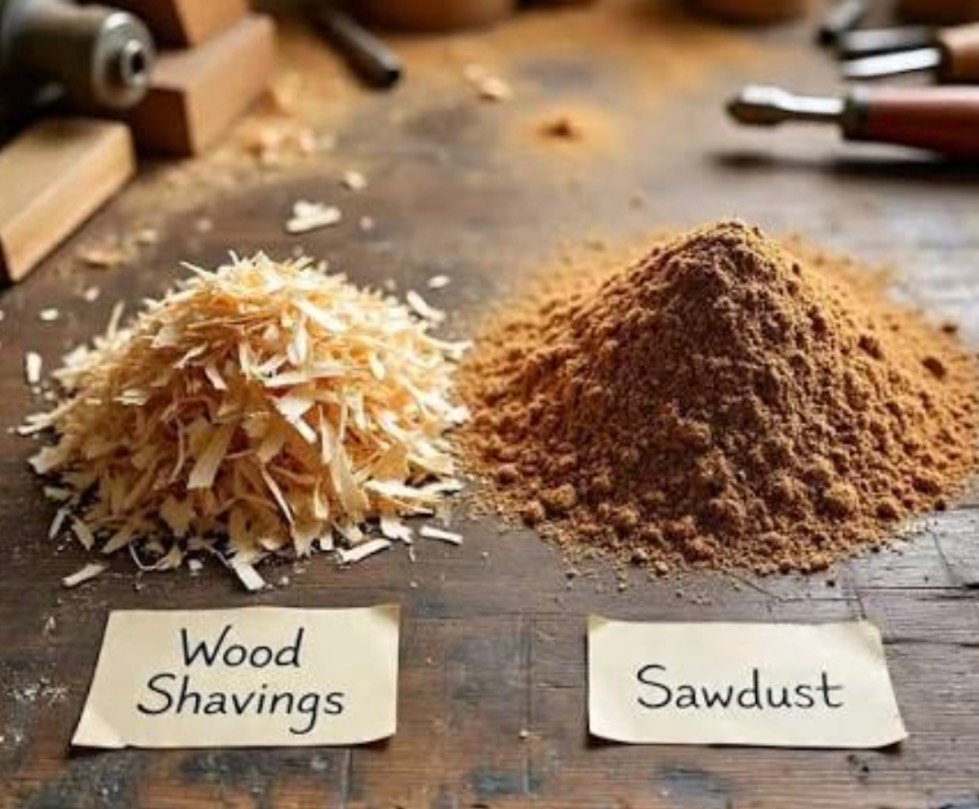
Wood shavings from carpentry and wood-processing operations can also be used as biomass briquette material.
Because shavings are generally coarser and less uniform than fine sawdust, they may require additional preparation depending on the machine and the desired briquette quality.
Processing the material into a suitable particle size can help produce a more consistent final product.
Businesses that already generate large quantities of wood shavings may therefore have an opportunity to turn another by-product into a usable fuel product.
Continue Learning: How Sawmills Can Monetize Sawdust Waste
3. Rice Husks
Rice processing generates large quantities of rice husks, making them an important agricultural residue for biomass applications.
Rice husks can be compressed into briquettes when properly prepared and processed with suitable equipment.
However, rice husks have a relatively high silica content compared with many wood materials. This can affect the ash content and burning characteristics of the finished briquette.
4. Groundnut Shells
Groundnut shells are another agricultural residue that can potentially be converted into biomass briquettes.
They are produced in large quantities by groundnut processing businesses and can otherwise accumulate as agricultural waste.
Because groundnut shells are relatively fibrous and contain combustible organic material, they can be suitable for briquette production when properly dried and processed.
5. Corn Cobs
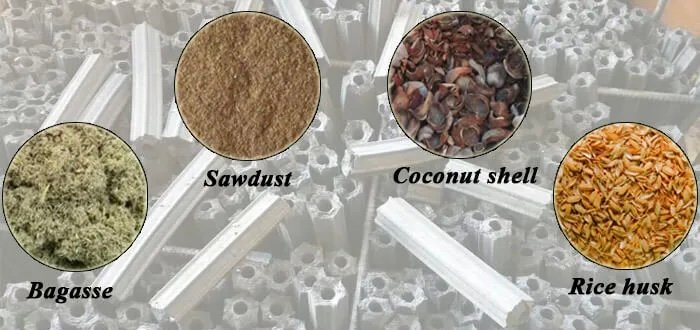
Corn cobs are another agricultural by-product that can be used for biomass fuel production.
After maize is processed, large quantities of cobs may remain. Instead of disposing of them, businesses can explore using them as feedstock for solid biomass fuel.
Corn cobs may need to be crushed or reduced to a suitable particle size before pressing. As always, proper preparation is important because oversized material can affect feeding and briquette formation.
6. Sugarcane Bagasse
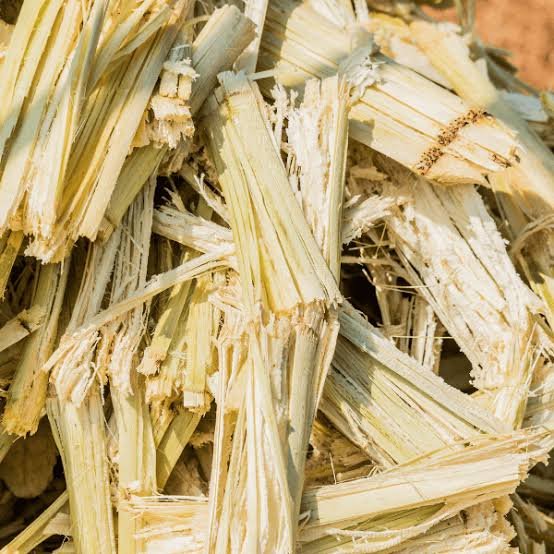
Bagasse is the fibrous material left after sugarcane is crushed to extract its juice.
It is already used as a fuel in some sugar-processing operations, but it can also be considered as a feedstock for biomass briquettes.
One of the main considerations with bagasse is moisture. Freshly generated bagasse can contain significant amounts of moisture, so drying is necessary before it will be effectively compressed into a durable briquette.
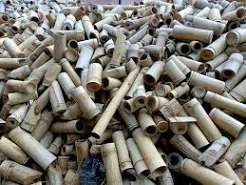
7. Bamboo Waste
Bamboo processing can generate dust, shavings and other fibrous residues.
These materials can be processed into biomass briquettes and this waste can be particularly useful for businesses that already have a consistent supply of processing residues and want to create an additional use for them.
8. Cotton Stalks and Other Crop Residues
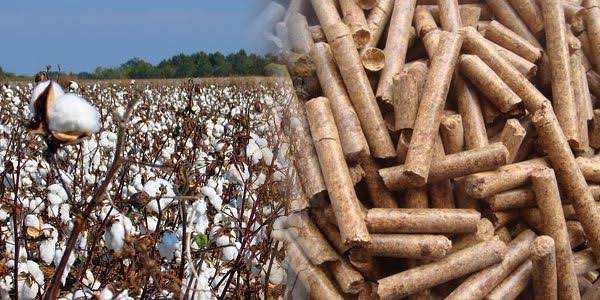
Agricultural fields and processing operations generate many other types of plant residues.
And depending on their physical characteristics, materials such as cotton stalks and other dry crop residues can also be processed into biomass fuel.
However, the fact that a material is organic does not automatically mean it is suitable for every briquette machine.
The material may need to be chopped, crushed, dried or otherwise prepared before pressing.
What About Charcoal Dust?
Charcoal dust is also used for briquette production, but it is different from raw biomass materials such as sawdust.
Charcoal has already gone through the carbonisation process, so much of the natural lignin that helps bind wood fibres has been removed.
As a result, charcoal dust normally requires a binder before it can be pressed into a durable briquette.
Common options include cassava starch, corn starch, bentonite or other suitable binders, depending on the production process and intended application.
A charcoal briquette press can then compress the prepared mixture into uniform shapes such as pillow, ball or other moulded briquettes.
This gives charcoal producers and traders a way to recover value from dust and small fragments generated during production, transportation and handling.
Why Moisture Matters
One of the most important considerations when working with biomass waste is moisture.
Material that is too wet may not compress properly and can produce weak or fragile briquettes. Excess moisture can also make drying after pressing more difficult.
For many biomass briquetting applications, the material needs to be dried to an appropriate moisture level before pressing.
Does Every Waste Material Need the Same Machine?
No.
Different materials behave differently during compression.
Sawdust, rice husks, crop residues and charcoal dust have different physical properties and may require different preparation methods, pressing mechanisms or binders.
This is why choosing a briquette machine based only on its advertised capacity can be misleading.
Before selecting equipment, consider:
- What raw material do you have?
- How much material is available to you each day?
- What is its moisture content?
- Does the material require a binder?
- What type of briquette do you want to produce?
- How much finished product do you need per hour?
- What power supply is available?
- What drying or preparation equipment will be required?
These questions help determine whether a particular machine is suitable for the actual production process.
At Brandsquare, we help businesses source machinery for different industrial, commercial, and production needs. Our team works with customers to understand their intended application, production requirements, and facility conditions before identifying suitable equipment options.
Turning Waste Into a Product
With briquette production, the value comes from having a usable raw material, a suitable production process and a market for the finished fuel.
For a sawmill, that could mean turning accumulated sawdust into wood briquettes.
For a charcoal business, it could mean recovering value from charcoal dust you may have thrown away.
For an agricultural processor, it could mean finding a productive use for crop residues.
The opportunity is different for every business, but the principle is the same.
A material that has little value in its loose form may become commercially useful when it is properly processed.
Final Considerations
If you are considering briquette production, Brandsquare will help you identify the equipment requirements based on the material you want to process and your production target and we will help you explore suitable options.