
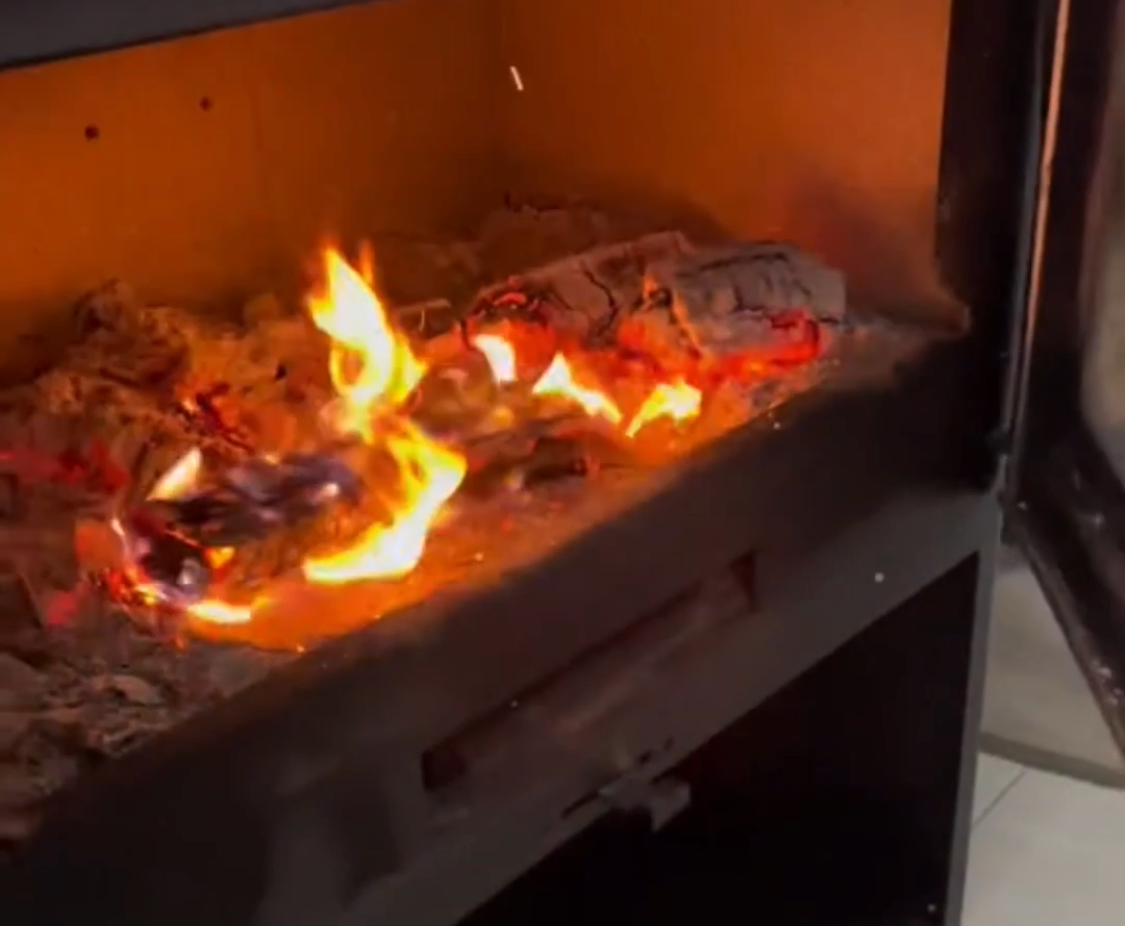
How Does a Briquette Press Machine Work?
A briquette press machine converts loose raw materials into compact, uniform briquettes through mechanical compression.
Depending on the type of material being processed, briquette machines can be used to produce biomass briquettes from materials such as sawdust and agricultural residues, or charcoal briquettes from charcoal dust.
Although different machines use different pressing mechanisms, the basic principle is the same, and that is, preparing the raw material, feeding it into the machine, applying controlled pressure, forming the material into a defined shape, and preparing the finished briquette for handling and use.
Understanding how the process works is important for anyone considering briquette production.
What Does a Briquette Press Do?
Loose materials can be difficult to handle, transport, store, or sell in their original form.
A briquette press changes this by compressing the material into a denser and more uniform product.
Step 1: Preparing the Raw Material
Raw materials such as:
- Sawdust
- Wood shavings
- Rice husks
- Groundnut shells
- Corn cobs
- Sugarcane bagasse
- Bamboo dust
- Other suitable crop residues
may need to be dried, reduced to a suitable particle size, and cleaned of unwanted materials.
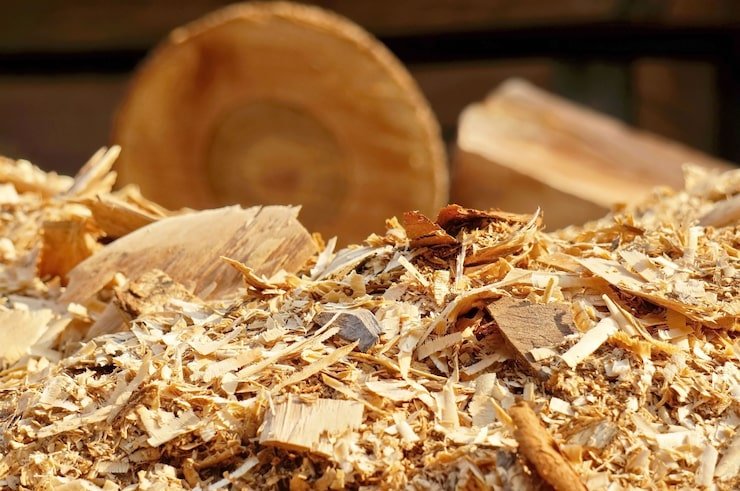
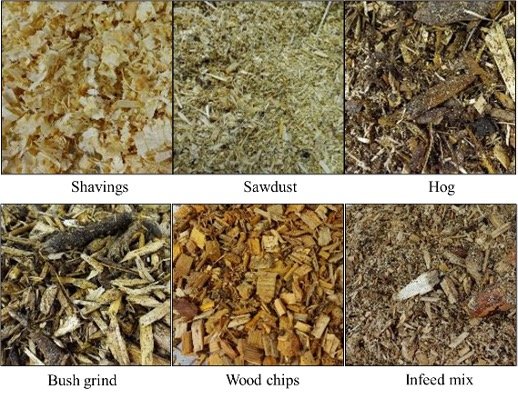
Moisture is important too. Material that is too wet can affect the pressing process and the quality of the finished briquette.
Charcoal briquette production follows a different preparation process. Charcoal dust is generally mixed with a binder before it enters the pressing stage.
Step 2: Compression
After preparation, feed the material into the briquette machine.
Once the material enters the pressing mechanism, mechanical force is applied.
This is where the loose particles are forced together.
Different briquette machines achieve compression in different ways.
A sawdust briquette press may use a screw extrusion or hydraulic system. A charcoal briquette press may use a rotary or double-roller system.
The mechanism will then determine how the raw material is compressed and shaped.
Step 3: It Forms the Briquette
The shape is determined by the machine’s die, mould, or roller configuration.
Depending on the equipment, briquettes can be produced in forms such as:
- Cylindrical logs
- Blocks
- Pillows
- Balls
- Hexagonal shapes
- Other customised forms
The desired shape should therefore be considered when selecting the machine.
Step 4: Discharge
Once formed, the briquette leaves the pressing section of the machine.
At this stage, the product may still require additional handling before it is ready for its intended application.
Biomass briquettes may require cooling, while charcoal briquettes commonly require drying after pressing.
Step 5: Drying or Cooling
The post-pressing process depends heavily on the type of briquette being produced.
For some biomass processes, cooling allows the newly formed briquettes to stabilise.
Charcoal briquettes generally require drying because moisture may have been introduced during the binder-mixing stage.
Drying can be carried out using methods appropriate to your scale and production setup, including natural drying or dedicated drying equipment.
Step 6: Quality Control and Packaging
The final stage is checking and preparing the briquettes for use or sale.
Businesses may assess characteristics such as shape, consistency, structural strength, moisture condition, and overall appearance.
Once the product meets the requirements of its intended market, it can be packaged, stored, and distributed.
Why Does the Type of Raw Material Matter?
A briquette press is not automatically suitable for every type of raw material.
Sawdust and charcoal dust, for example, behave differently during processing.
Sawdust contains natural lignin that can help bind particles under suitable pressure and heat. Charcoal dust generally requires a separate binder because the carbonisation process changes the material and removes much of the original lignin.
This is why a machinery supplier needs to know what material a customer intends to process before recommending equipment.
Does a Briquette Machine Work Alone?
One of the most important things to understand about briquette production is that the press is only one part of the process.
Depending on the operation, a complete setup may include all 6 steps listed above, but then again, not every business will need every stage or a separate machine for each stage.
The required equipment depends on the raw material, your production capacity, finished product, and operating conditions of your facility.
Final Thoughts
A briquette press machine works by taking prepared loose material and applying mechanical pressure to form it into a compact and consistent product.
The exact process varies according to the raw material and machine design, but the underlying foundation remains the same.
For businesses or individuals considering briquette production, the right machine should be selected based on the material available, desired output, product requirements, power supply, and your overall production process.
Brandsquare can help businesses explore machinery options based on their specific production requirements.
2 comments on “How Does a Briquette Press Machine Work?”