
What Is a Briquette and How Is It Made?

Briquettes are compact fuel products made by compressing loose materials such as sawdust, agricultural residues, or charcoal dust into a denser and more manageable form. They are increasingly used as an alternative fuel for households, restaurants, bakeries, industrial facilities, and other businesses that require a consistent source of solid fuel.
For businesses dealing with large amounts of wood waste, agricultural residues, or charcoal dust, briquetting can also provide a way to turn a loose waste material into a more useful and potentially marketable product.
But what exactly is a briquette, and how does loose material become a solid block or shape?
What Is a Briquette?
A briquette is a compressed solid fuel product made from loose organic or carbon-based material.
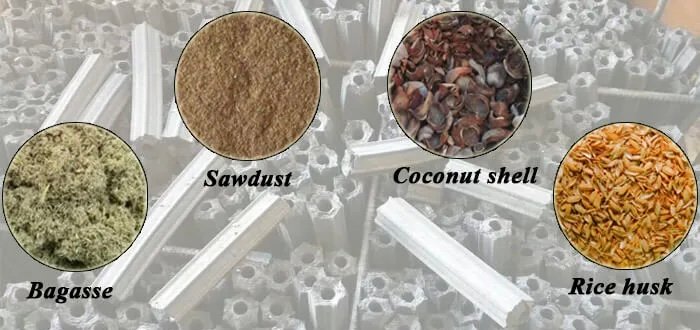
The raw material depends on the type of briquette being produced. Biomass briquettes can be made from materials such as:
- Sawdust
- Wood shavings
- Rice husks
- Groundnut shells
- Corn cobs
- Sugarcane bagasse
- Bamboo dust
- Other suitable agricultural residues
Charcoal briquettes, on the other hand, are generally produced from charcoal dust or powdered charcoal combined with a suitable binder.
The basic idea is simple: take a loose material that is difficult to handle or has limited value in its original form, compress it, and produce a denser and more uniform fuel product.
How Are Briquettes Made?
Although the exact production process depends on the raw material and the type of briquette machine being used, briquette production generally follows several stages.
1. Raw Material Preparation
The first step is preparing the raw material.
For biomass briquettes, materials such as sawdust, wood shavings, or agricultural residues need to be suitable for compression. Moisture content is particularly important because material that is too wet can interfere with the briquetting process.
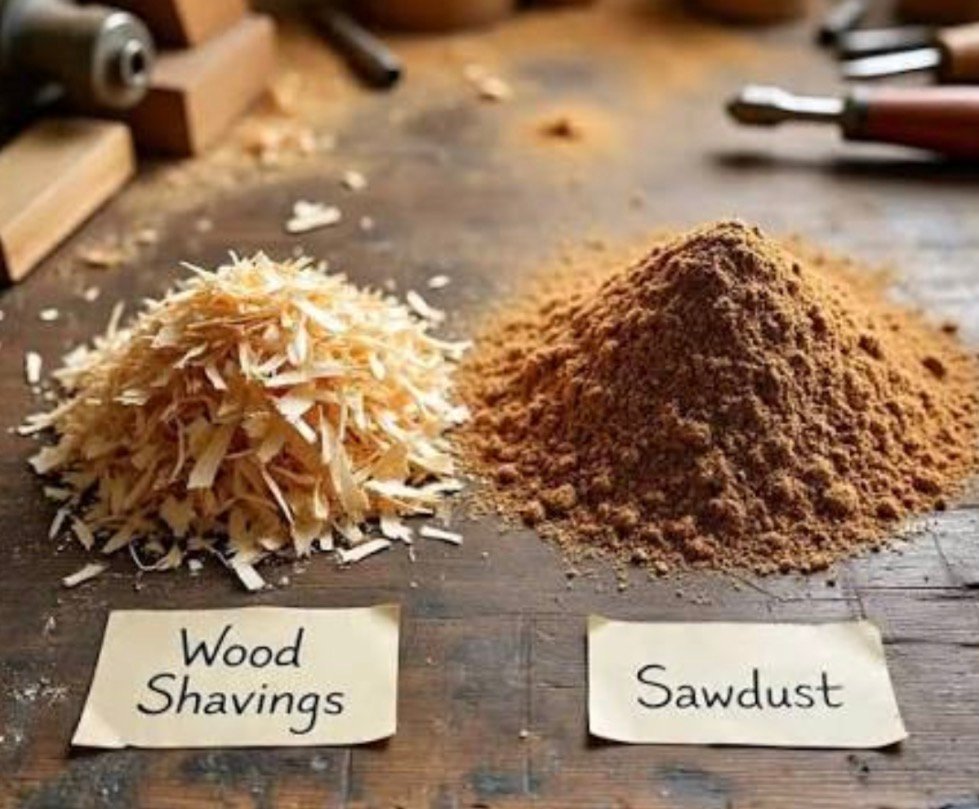
Depending on the material, preparation may involve drying, grinding, screening, or removing unwanted materials.
Charcoal dust also needs to be prepared before pressing. It is typically mixed with a binder to help the particles hold together after compression.
2. Feeding the Material Into the Machine
Once the material has been prepared, it is introduced into the briquette press.
The machine feeds the raw material into its compression system, where mechanical pressure is applied.
Different briquette machines use different mechanisms. For example, a sawdust briquette press may use screw extrusion or hydraulic compression, while a charcoal briquette machine may use a roller-based pressing system.
3. Compression
Compression is the central stage of briquette production.
The machine applies substantial pressure to the prepared material, forcing loose particles together into a denser form.
In biomass materials such as sawdust, naturally occurring lignin can help bind the particles together under suitable pressure and heat. This means an additional chemical binder may not be required for some biomass briquette processes.
Charcoal dust behaves differently. Because the carbonisation process removes much of the original lignin, charcoal briquettes generally require a binder to help the particles form a stable product.
4. Briquette Formation
As the material is compressed, it takes the shape determined by the machine and its die or mould.
Depending on the equipment, briquettes may be produced as cylindrical logs, blocks, pillows, balls, hexagonal shapes, or other forms.
The shape is not simply a cosmetic decision. It can affect handling, packaging, storage, and the intended application of the finished product.
5. Cooling or Drying
After pressing, the briquettes may need additional cooling or drying depending on the production process and raw material.
Biomass briquettes may require a period of cooling after compression.
Charcoal briquettes typically require drying after pressing, particularly because moisture may be introduced during binder preparation.
Proper drying is important because briquettes need to be sufficiently stable for handling, packaging, storage, and their intended use.
6. Quality Checking and Packaging
The finished briquettes should be checked for consistency, shape, structural integrity, and other characteristics relevant to the intended market.
Once they meet the required standard, they can be packaged and prepared for distribution or use.
What Materials Can Be Used to Make Briquettes?
There is no single raw material for briquette production.
Biomass briquettes can be produced from various forms of agricultural and wood waste, provided the material is suitable for the selected machine and production process.
Common examples include sawdust, wood shavings, rice husks, groundnut shells, corn cobs, sugarcane bagasse, and bamboo dust.
Charcoal briquettes are produced differently and generally start with charcoal dust or powdered charcoal.
This distinction is important because the raw material determines the type of briquette process and machine you need.
Why Does Raw Material Matter?
A common mistake when considering briquette production is to start with the machine instead of the material.
The better starting point is to understand what raw material you have available, how much you can obtain consistently, its moisture condition, and what type of finished product you want to make.
For example, a business with a reliable supply of sawdust may be better suited to biomass briquette production, while a charcoal producer with large quantities of charcoal dust may have a different opportunity.
The machine should then be selected around those production requirements.
Can Briquetting Add Value to Waste?
One of the major attractions of briquetting is its ability to turn loose, low-value material into a more useful product.
A sawmill, for example, may generate large quantities of sawdust as part of its normal operations. Instead of treating all of that material simply as waste, the business can explore whether it is suitable for briquette production.
Similarly, charcoal production and handling can generate charcoal dust that may otherwise be difficult to sell in its loose form.
Briquetting does not automatically make every waste material commercially viable, however. Businesses still need to consider raw material availability, demand, preparation requirements, equipment, energy, drying, packaging, transportation, and the market for the finished product.
Final Thoughts
A briquette is more than simply compressed waste. It is the result of a production process that combines suitable raw material preparation, controlled compression, forming, and post-processing.
The most important starting point for anyone considering briquette production is understanding the relationship between raw material, machine, production process, and finished product.
If you are considering briquette production, Brandsquare can help you explore machinery options based on your raw material, production requirements, and intended applications.