
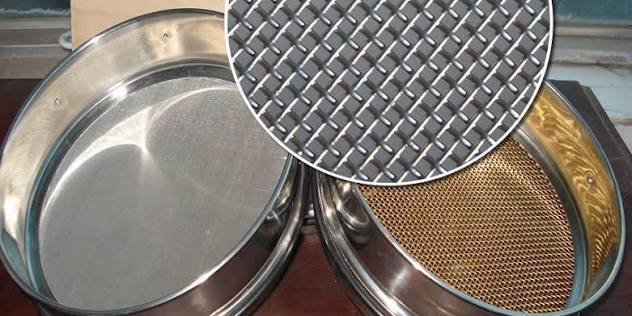
Understanding Screens and Sieves in Powder Processing
In industrial powder processing, whether you are pulverizing dried agricultural produce, spices, animal feed ingredients, chemical compounds, or minerals, crushing is only half the battle. High speed hammers, pins, or blades break down raw materials, but the internal screen or sieve dictates the final product quality.
A commercial powder processing plant relies on proper screen and sieve selection to ensure consistent particle size, maintain optimal throughput, protect motor lifespan, and prevent product degradation.
1. How Screens Work Inside an Industrial Pulverizer
Industrial hammer mills, pin mills, and high speed pulverizers operate using continuous impact. Raw materials enter the grinding chamber and are repeatedly struck by rotating elements until they reach a particle size small enough to pass through the perforations of an internal screen liner.
- Retention and Grinding: Particles larger than the screen apertures remain suspended in the chamber, circulating against the liner and hammers for continued impact.
- Discharge: Once material is reduced below the screen diameter, centrifugal force and pneumatic airflow pull the particles through the perforations into the collection bin or cyclone separator.
The screen functions as the primary mechanical gatekeeper by determining the exact ceiling of your material particle size.
2. Perforated Plate vs. Wire Mesh: Choosing the Right Media
Depending on operational scale and desired fineness, commercial pulverizers typically utilize one of two screen types:
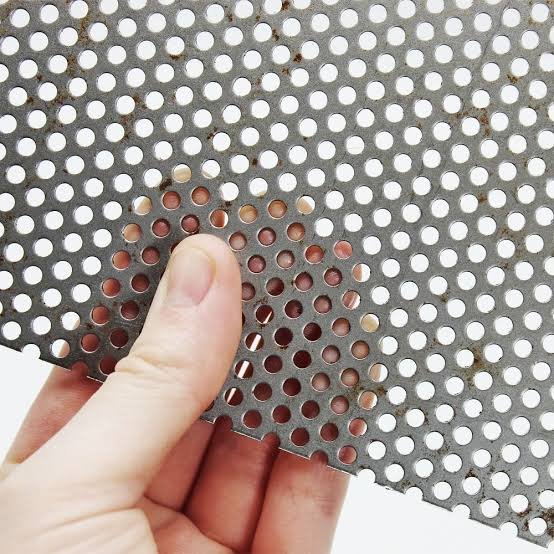
A. Perforated Metal Screens for Heavy Duty and Coarse to Medium Milling
- Construction: Heavy gauge sheet metal, typically 304 or 316 stainless steel, with punched round, slotted, or hexagonal holes.
- Best For: High abrasion materials, coarse milling such as animal feed grains, cassava flour, dried roots, charcoal dust, and heavy duty pre crushing.
- Advantages: Superior structural rigidity, high resistance to foreign contaminants, and longer working life under severe impact.
B. Woven Wire Mesh Screens for Fine to Ultra Fine Milling
- Construction: High tensile stainless steel wire woven into precise square apertures, often reinforced by a coarser backing frame.
- Best For: Fine powders, food spices, cosmetic clays, starch, and pharmaceutical grade blending.
- Advantages: Maximizes open area percentage, facilitating faster discharge of fine dusts and minimizing heat buildup.
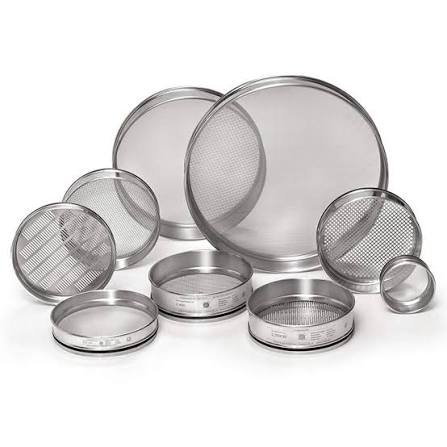
3. Aperture Size, Millimeter Measurements, and Mesh Count
Specifying screening components requires understanding the relationship between millimeters, microns, and mesh count:
- Hole Diameter in Millimeters or Microns: Measures the physical opening of the screen. Perforated plates are typically designated by millimeter diameter such as 0.8 mm, 1.5 mm, or 3.0 mm.
- Mesh Count: The number of openings per linear inch. As the mesh number increases, the opening size decreases. A 20 mesh screen produces coarse granules, while an 80 mesh to 120 mesh screen yields a velvety, fine commercial powder.
Reference Table: Screen Aperture and Applications
- Coarse (10 to 20 Mesh | 2.0 mm to 0.85 mm): Animal feed crumbles, coarse grain grits
- Medium (40 to 60 Mesh | 425 µm to 250 µm): Bakery flour, ground spices, herbal teas
- Fine (80 to 120 Mesh | 180 µm to 125 µm): Cosmetic powders, talc, fine agro chemicals
4. The Balance Between Fineness, Heat, and Throughput
Every change in screen aperture directly alters machine performance:
- Smaller Screens Reduce Hourly Output: Restricting discharge aperture retains material in the grinding chamber longer. Operators must adjust feed hoppers accordingly to avoid overloading drive motors.
- Friction and Thermal Sensitivity: Retaining material longer generates friction heat. For heat sensitive goods such as spices containing volatile oils, sugar, or plastic compounds, overly restrictive screens can cause oil loss, melting, or screen blinding.
- Screen Blinding and Clogging: Materials with moisture levels exceeding 12 to 14 percent can agglomerate against screen openings. Incorporating vibrating sifters or pneumatic draft systems helps keep screen apertures clear during continuous runs.
5. Maintenance and Inspection Standards
Screen wear affects particle distribution long before catastrophic tear occurs:
- Check for Aperture Elongation: Abrasive materials naturally widen perforations over time, letting oversized granules bypass the screen.
- Inspect Edge Fasteners and Gaskets: Inspect the clamping seals along the basket frame. Powder leakage almost always traces back to a loose screen seal rather than a puncture in the mesh itself.
- Material Composition: For food and chemical processing, insist on food grade SUS304 or SUS316 construction to resist corrosion from natural crop acidity and wet sanitization cycles.
Direct Factory Solutions for Powder Processing
Selecting the right mill configuration requires matching motor horsepower, chamber geometry, and screens and sieves specifications directly to your raw material physical properties.
At BrandSquare, we supply verified commercial pulverizers, hammer mills, and continuous classification systems built to exact factory tolerances. Explore our full range of processing machinery and direct manufacturer pricing at BrandSquare.shop or contact our team directly via hello@brandsquare.shop or on WhatsApp today.
Join the BrandSquare WhatsApp Community
Get machine updates, buying tips and new arrivals straight to your phone.
1 comment on “Understanding Screens and Sieves in Powder Processing”