
Multi-Crop Flexibility: How to Run a Commercial Oil Press Across Changing Harvest Seasons
The single biggest threat to a commercial agro-processing factory isn’t high electricity tariffs or market competition. It is idle machinery.
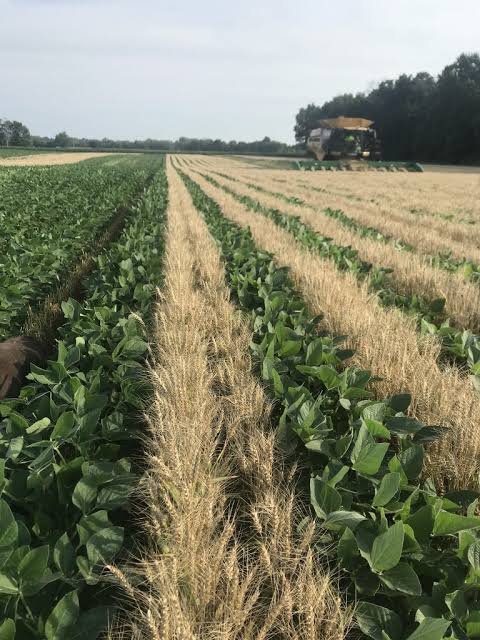
In Nigeria and across West Africa, agriculture runs on distinct seasonal cycles. Groundnuts peak right after the rainy season, sesame seed harvests surge in the late dry months, and soybeans arrive on their own schedule.
If a processing business invests in single-purpose machinery dedicated to only one crop, the factory inevitably shuts down for three to five months every year once local stockpiles dwindle or prices spike.
During those quiet months, overhead doesn’t stop:
- Facility rent continues accumulating.
- Core technical staff still require monthly salaries.
- Unused motors and mechanical bearings sit idle, exposed to dust and humidity.
To build a resilient agro-processing business, your facility must be engineered for multi-crop flexibility. Here is how commercial operators use multi-seed spiral expellers to maintain continuous, year-round production across rotating harvest calendars.
1. Aligning Machinery to the Crop Calendar
Instead of relying on a single commodity, a multi-crop processing facility transitions from one high-yield oilseed to another as regional harvests shift.
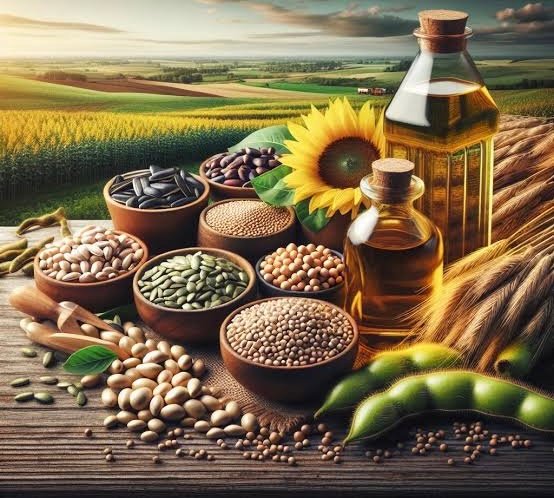
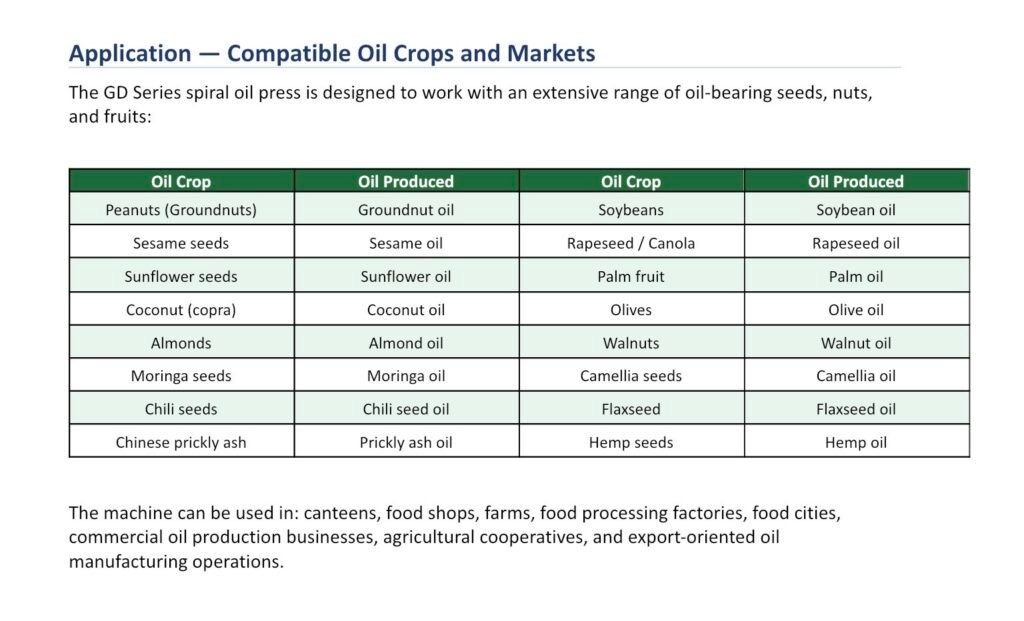
A versatile industrial screw expeller, such as the BrandSquare GD Series, is mechanically engineered to press over 30 varieties of oilseeds, nuts, and oil-bearing crops. This broad compatibility lets you map your processing schedule around the agricultural calendar:
| Season / Window | Primary Seed Feedstock | Commercial Value & Market Demand |
| Q4 (Oct – Dec) | Groundnuts (Peanuts) | Peak harvest; high local oil demand|
| Q1 (Jan – Mar) | Sesame Seeds (Beniseed) | High extraction rate; export/health|
| Q2 (Apr – Jun) | Soybeans / Sunflower | Stable supply; high feed-cake need |
| Q3 (Jul – Sep) | Palm Kernel / Copra | Off-season bridge processing |
(Feedstock rotation based on common Nigerian agrarian harvest cycles and GD Series multi-crop capabilities).
By planning a three-crop rotation, your expeller stays active 10 to 12 months a year, protecting cash flow and customer delivery contracts.
2. What Makes a Machine Truly “Multi-Crop”?
Not all oil presses can switch between seeds seamlessly. Processing a soft, oily peanut requires completely different physical dynamics than crushing a hard, dry palm kernel or a tiny, slippery sesame seed.
To run multiple crops without damaging equipment or dropping oil yields, an industrial machine relies on three mechanical features:
A. Digital Temperature Regulation
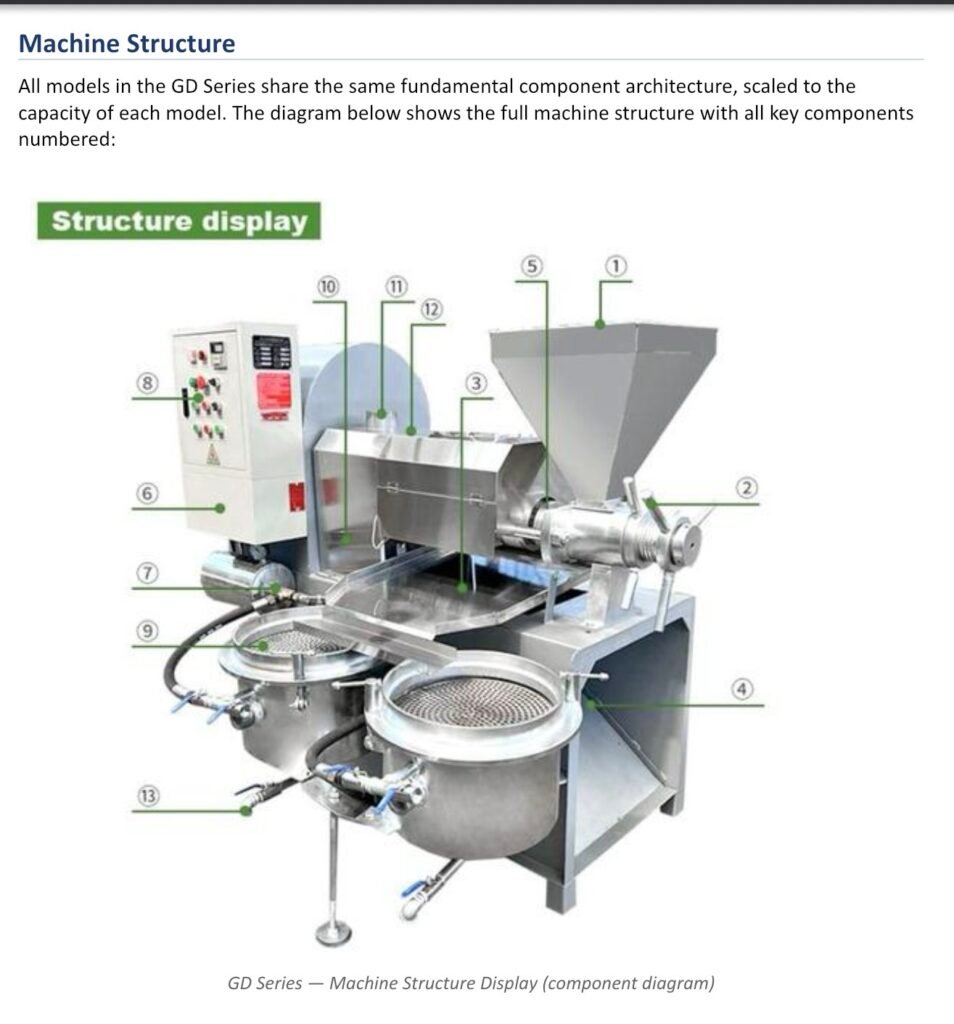
Different seeds release oil at different temperatures. Groundnuts flow best with moderate heat, while tougher seeds need higher pre-heating to soften cellular walls. The GD Series integrates an automatic digital control panel that regulates internal heating bands before seeds enter the chamber, ensuring optimal extraction without scorching the oil.
B. Multi-Stage Progressive Snail Screws
Tiny seeds like sesame tend to slip past single-stage screws without getting fully crushed. High-efficiency expellers use an alloy steel “snail” (spiral screw) that narrows progressively through multiple compression zones. This design builds pressure gradually, squeezing out every drop of natural oil before the dry cake is discharged.
C. Integrated Vacuum Filtration
Clarifying oil by letting it sit in drums takes days and creates bottlenecks when switching products. Modern commercial oil presses feature built-in dual vacuum filtration tanks. As crude oil drips from the pressing cage, vacuum suction pulls it through fine filter cloth, delivering clear, market-ready oil immediately.
3. The 3 Operational Rules for Switching Crops
Switching your factory line from groundnuts to sesame or soybeans does not require disassembling the entire machine, but it does demand disciplined changeover habits:
| Changeover Step | Key Operational Action
| 1. Purge Chamber | Run clean, dry fibrous cake through to clear leftover residue |
| 2. Reset Temp | Adjust digital panel to the target temperature for the new seed|
| 3. Moisture Check | Ensure new crop moisture is calibrated between 6% and 9%
- Purge the Barrel Thoroughly: Never load a delicate, light seed like sesame into an expeller barrel coated with dark groundnut residue. Run a small batch of clean, dry seed through the machine to flush out earlier materials and prevent flavor cross-contamination.
- Re-calibrate the Pre-Heating Band: Check your operational handbook for the target temperature profile of the incoming crop before opening the feed gate.
- Verify Moisture Content: Wet seeds create an emulsion paste that clogs the barrel, while over-dried seeds create high friction that can jam the drive motor. Clean, dry feedstock guarantees high flow rates and clear oil.
The Takeaway
A commercial agro-processing venture should not be vulnerable to single-crop price spikes or seasonal supply shortages.
By investing in a flexible, multi-seed spiral expeller, your plant transforms from a seasonal press into a year-round manufacturing asset that can seize wholesale margins wherever local harvests are most favorable.
Continue Reading:
- The Economics of Small-Scale Cold-Pressed Oil Production in Nigeria: Costs, Yields, and Margins
- Monetizing Agricultural By-Products: Turning Husks, Bran & Press Cake into Feed
- 5 Costly Mistakes to Avoid When Operating an Industrial Powder Crusher
Ready to explore multi-crop spiral oil expellers for your processing facility? Review model sizes from 30 kg/hr up to 500 kg/hr and request direct factory quotes at BrandSquare.shop.