
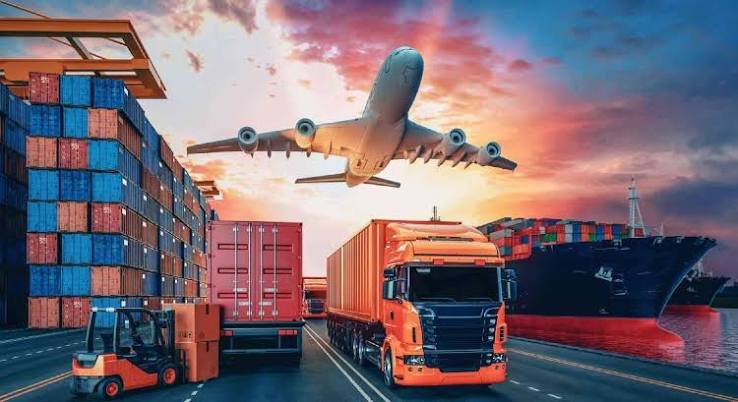
Machine Price vs Landed Cost: What Buyers Need to Know
When you ask an equipment supplier for a quote, the first number you receive is almost always the machine price.
While important, but it is rarely the amount of money you need to actually start production.
For Nigerian processors, millers, and manufacturers importing equipment from overseas, mistaking the initial quotation for your final budget causes problems along the way. Containers end up stuck at the port, projects stall midway through transit, and businesses run short of operating cash right when the machinery touches Nigerian soil.
Understanding the difference between the machine price vs landed cost gives you a realistic view of what purchasing equipment actually entails.
What Is the Machine Price?
The machine price is simply what the supplier charges to manufacture the equipment and hand it over at their factory or local departure port.
In most international transactions, this figure is quoted in US Dollars (USD) and tied to an Incoterm, usually FOB (Free on Board) or EXW (Ex Works).
For example, a quotation could show:
Machine price: USD 8,000
That does not necessarily mean USD 8,000 is the total amount required to have the machine operating at a business location in Nigeria.
The quotation needs to be examined to understand exactly what is included.
Another example, If a quotation states $7,500 FOB Qingdao, that means the manufacturer covers:
Fabricating the machine and installing its standard motor.
Basic factory run tests before crating.
Standard export packaging, such as wooden crates or steel frames.
Transporting the crates to the port of origin in China and loading them onto the vessel.
Once the equipment is on that ship, the factory’s financial responsibility stops.
The quote does not cover moving that cargo across the ocean, paying statutory Nigerian port duties, hiring a licensed clearing agent, or trucking the crates to your facility in Lagos, Kano, or Ibadan. It is strictly the purchase cost of your equipment.
What Is Landed Cost?
What Makes Up the Landed Cost?
Landed cost is the total sum required to move the machine from the supplier’s warehouse until it is safely offloaded inside your factory.
To determine your actual landed expenditure, you have to account for several distinct steps that happen after production finishes:
1. Ocean Freight
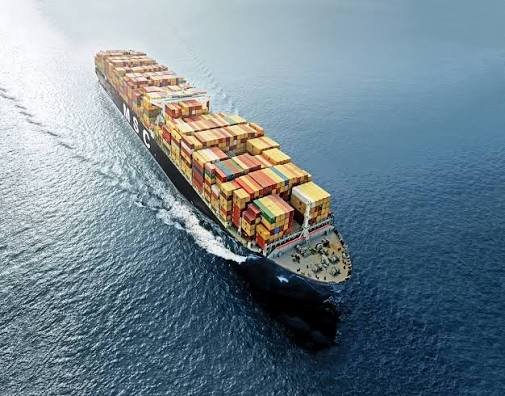
Because processing machinery is heavy and bulky, air freight is usually cost-prohibitive. Most industrial equipment moves by sea in 20-foot or 40-foot containers, or as Less than Container Load (LCL) cargo. Standard sea transit from China to Nigerian ports typically takes 4 to 6 weeks. Ocean freight rates change regularly based on shipping lane traffic, bunker fuel surcharges, and global container availability.
2. Cargo Insurance
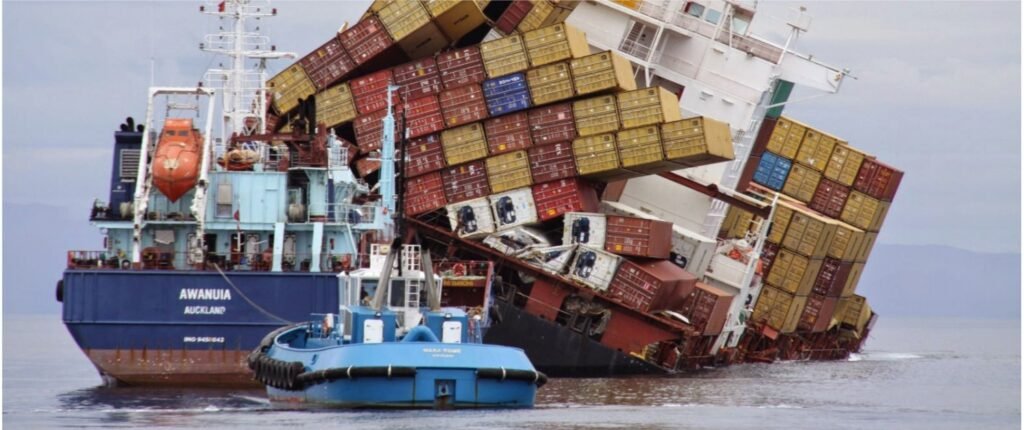
Heavy machinery faces real transit risks, including rough weather at sea, container shifting, or handling damage during transshipment. Marine cargo insurance is standard practice; it covers the replacement value of the equipment if an accident happens between the departure port and your local berth.
3. Nigerian Customs Duties and Port Charges
When the vessel arrives at ports such as Tin Can Island, Apapa, or Onne, the consignment enters statutory clearance. You will need a licensed clearing agent to process the cargo.
Costs at this stage include:
Import duty, which is calculated based on the equipment’s Harmonized System (HS) code and its CIF value (Cost, Insurance, and Freight).
Surcharges, including port inspection and trade levies.
Terminal handling and storage charges billed by the terminal operators.
4. Documentation and Port Formalities
Clearing cargo legally in Nigeria requires specific commercial documents from the supplier, including the Commercial Invoice, Packing List, Certificate of Origin, and the Bill of Lading. Depending on the import route and regulatory guidelines, processes involving Form M and the Pre-Arrival Assessment Report (PAAR) may also be required.
5. Domestic Haulage and Site Offloading
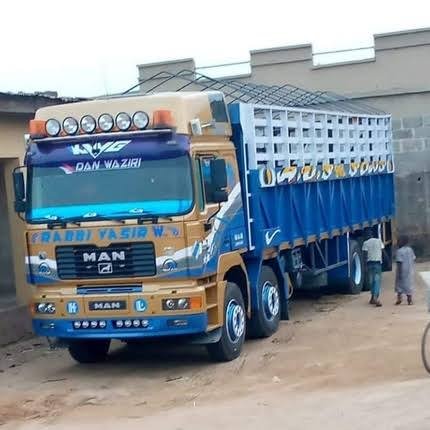
Once your container clears the port gates, it still needs to reach your site. Haulage rates vary significantly depending on whether delivery is within the commercial centers of Lagos or requires long-distance interstate transit.
Furthermore, industrial equipment does not come off a flatbed trailer easily. You need to budget locally for a mobile crane or forklift hire to lift the crates off the truck and set them in your workspace.
The exact costs vary depending on the machine, origin, destination, shipping arrangement and applicable import requirements.
This is why two machines with similar quoted prices can ultimately have different total costs.
Machine Price vs Landed Cost: Why Comparing Quoted Prices Can Mislead You
Suppose you are evaluating two suppliers offering grain crushing equipment.
Supplier A quotes $4,200 for a machine that is heavy, cast-iron, and ships fully assembled in an oversized crate.
Supplier B quotes $4,800 for a modern, modular design that packs down flat into a smaller shipping volume.
If you only look at the machine price, Supplier A looks like the better deal by $600.
However, sea freight and terminal handling are largely charged by weight and cubic meters (CBM). Supplier A’s bulky crating could easily cost $1,200 more in international freight, port handling, and flatbed transport than Supplier B’s compact package.
By the time both units arrive at your factory gate, the unit with the higher machine price may actually have the lower landed cost.
8 Practical Questions to Clarify Before Placing an Order
Before approving a proforma invoice or converting local currency to make an initial deposit, get clear answers to these eight operational points:
1. Which shipping term applies to this price? Confirm whether the figure is EXW, FOB, or CIF.
2. What are the packed dimensions and gross weight? You cannot estimate shipping or domestic haulage without exact weight (kg) and volume (CBM).
3. What is the current ocean freight rate? Request an updated freight estimate based on current shipping conditions.
4. What documents will accompany the shipment? Ensure the supplier provides a proper Commercial Invoice, Packing List, and Bill of Lading matching the consignee details.
5. What HS Code applies to the equipment? Knowing the tariff code beforehand allows your clearing agent to confirm the duty percentage before the container departs.
6. Who handles customs clearance at destination? Clarify whether you are using your own clearing agent or need sourcing support to handle the clearance process.
7. What will domestic delivery cost from the port to your city?
8. What equipment is required to offload at your factory? Know beforehand whether manual labor is sufficient or if you need to schedule a forklift or crane.
How to Budget Realistically
When building your procurement budget, separate your capital into two phases:
Phase 1: Capital for the Supplier, which is Machine Price + Factory Crate Packaging (FOB).
Phase 2: Capital for Logistics & Landing, which is Ocean Freight + Marine Insurance + Customs Duty & Port Clearing + Domestic Transport + Site Offloading.
At Brandsquare, we focus on helping buyers understand the full operational reality of importing machinery, not just the factory sticker price. If you are preparing to purchase equipment, we help you evaluate technical specifications alongside realistic shipping, documentation, and arrival logistics so you can plan your investment with confidence.
Continue Learning
What Information Does Your Machinery Supplier Need Before Recommending a Machine?
1 comment on “Machine Price vs Landed Cost: What Buyers Need to Know”