
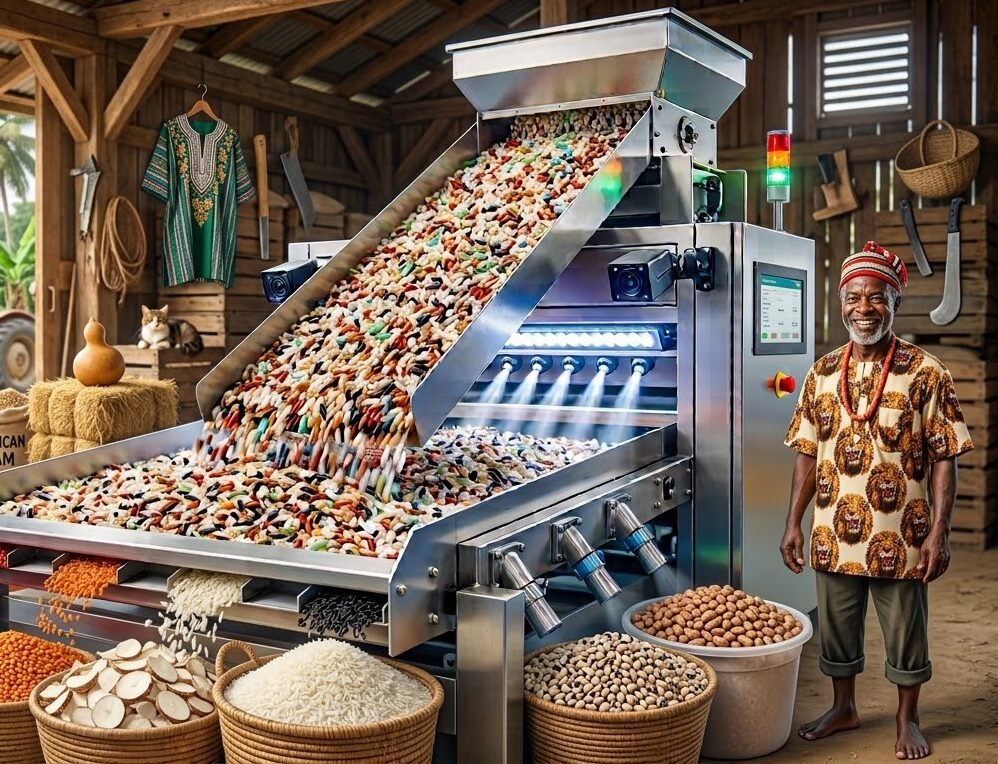
How Color Sorters Improve Rice Quality and Reduce Defective Grains
Rice processing does not end when the grain is milled. Even after cleaning and milling, a batch of rice can still contain grains that differ in color, appearance, or quality.
Discoloured grains, damaged kernels, immature grains, and other unwanted material can affect the finished product’s appearance and consistency. For rice processors supplying markets, wholesalers, retailers, restaurants, or consumers, these differences definitely matter.
This is where a color sorter for rice can become an important part of the processing line.
By using optical cameras and automated rejection technology, a rice color sorter can identify grains that differ from the acceptable product and separate them from the mainstream.
What Causes Defective or Discoloured Rice Grains?
Rice can develop different types of defects at several stages of production and processing.
Some differences may originate in the field, while others can occur during harvesting, drying, storage, or milling.
Depending on the rice and processing conditions, a batch may contain:
- Discoloured grains
- Yellow or stained grains
- Black or dark grains
- Immature grains
- Damaged grains
- Foreign particles with different visual characteristics
Not every unwanted grain will look the same, which is why simply removing large foreign materials during an earlier cleaning stage does not necessarily produce a completely uniform final product.
Color sorting addresses a different part of the process: identifying visually different individual pieces within the product stream.
How Does a Rice Color Sorter Improve Quality?
A color sorter examines individual grains as they pass through its sorting channels.
Cameras capture images of the grains and the machine’s processing system analyzes their visual characteristics. When a grain is identified as falling outside the selected acceptance criteria, an air-jet mechanism ejects it from the main product stream.
The acceptable rice continues through the machine while rejected material is collected separately.
This process can improve the visual consistency of the finished rice by removing grains that would otherwise remain mixed with the acceptable product.
1. It Removes Visibly Discoloured Grains
One of the most obvious benefits of color sorting is the removal of grains that have a noticeably different color from the majority of the batch.
A color sorter can be configured to detect these visual differences and remove the identified grains.
2. It Helps Improve Product Uniformity
Consumers generally expect packaged grains to have a relatively consistent appearance.
When a bag contains a mixture of noticeably different grains, the product can appear less refined or less carefully processed.
Color sorting helps processors create a more consistent final stream by separating grains that differ from the desired appearance.
This is particularly useful for processors who need to maintain consistent product standards across batches.
3. It Reduces the Need for Manual Visual Sorting
Manual sorting involves workers inspecting grains and removing unwanted or damaged materials by hand.
While manual inspection can have a role in food processing, it becomes difficult to maintain the same speed and consistency when large quantities of rice need to be processed.
A color sorter automates the visual inspection stage.
Instead of relying on workers to identify individual defective grains throughout the entire product stream, the machine continuously examines the material and activates its air-ejection system when a reject is identified.
This allows workers to focus more on operating, monitoring, and maintaining the processing system.
4. It Can Identify Defects That Are Difficult to Remove Earlier
Rice processing normally involves several stages, and each stage has a different purpose.
Cleaning equipment can remove materials such as stones, dust, and other larger contaminants. Milling equipment can remove husk and process the grain.
Color sorting serves a different purpose.
It focuses on visual differences between individual pieces of material. This means a grain that has already passed through other processing stages can still be identified and rejected if its appearance does not meet the selected sorting criteria.
The different stages therefore work together rather than performing the same job.
5. It Helps Processors Produce a Cleaner-Looking Final Product
The appearance of rice is an important part of how the finished product is perceived.
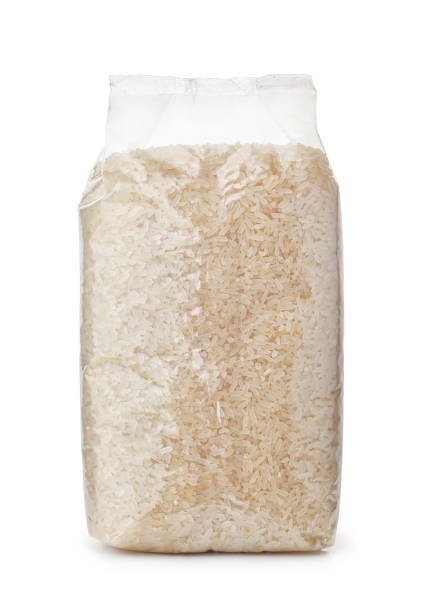
A cleaner and more uniform batch can be easier to package and present to customers, particularly when the product is being sold in clear or transparent packaging.
Color sorting does not replace proper harvesting, drying, storage, cleaning, or milling practices. Instead, it provides an additional quality-control stage that can help remove unwanted visual defects before the rice reaches the final product.
How Does the Sorting Process Work?
The basic process is relatively straightforward.
Step 1: Grains Enter the Machine
Step 2: Cameras Inspect the Grains
Step 3: The Machine Identifies Rejects
Step 4: Air Jets Eject the Defective Grain
Step 5: Sorted Rice Is Collected
Why Is This Important for Rice Processors?
For a rice processor, quality is not simply about producing a large quantity of rice.
Your final product also needs to meet the expectations of the market it is intended for.
A processor supplying bulk buyers may have different quality requirements from one selling packaged rice directly to consumers. Similarly, premium rice products may require stricter visual standards than products intended for other applications.
This is why selecting processing equipment should begin with understanding the quality requirements of the business.
A color sorter can be particularly useful when a processor needs greater control over the visual consistency of the finished rice.
What Should You Consider Before Buying a Rice Color Sorter?
Not every color sorter will be suitable for every rice-processing operation.
Before purchasing one, consider:
Required processing capacity: The machine should be able to handle the volume your operation needs without becoming a bottleneck.
The defects you need to remove: Determine which visual defects are most important for your final product.
Sorting accuracy: Consider how precisely the machine can distinguish acceptable grains from unwanted ones. BrandSquare.shop is your direct-to-business supplier of industrial, commercial, and processing machinery for Nigerian businesses, factories, and agribusinesses.
Available space and power: Make sure the machine is compatible with the physical and electrical requirements of your processing facility.
Support and spare parts: Availability of technical support, replacement components, and maintenance assistance should also be part of the purchasing decision.
Final Thoughts
A color sorter for rice provides an additional layer of quality control by identifying and separating grains that differ from the desired product.
For processors considering a color sorting machine, the right choice ultimately depends on the type of rice being processed, the defects that need to be removed, the required capacity, and the quality standard the business wants to achieve.
Continue Learning
If you are exploring color sorting technology, you may also find these articles useful:
- What Is a Color Sorter Machine and How Does It Work?
- 5 Things a Color Sorter Can Detect
Explore more industrial, agricultural, and processing equipment from BrandSquare or contact our team @ +234 708 296 4247 to discuss the equipment requirements for your operation.
1 comment on “How Color Sorters Improve Rice Quality and Reduce Defective Grains”