
Why Food Exporters Are Switching from Smoke Kilns to Heat Pumps
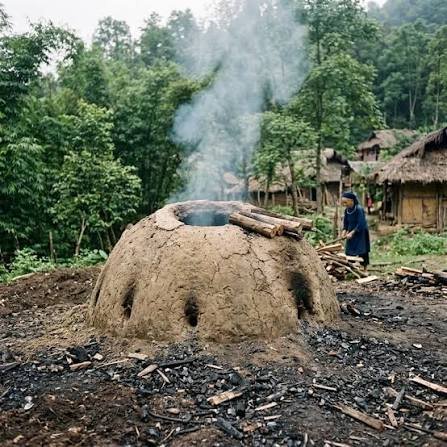
For generations, firewood smoke kilns and open-air sun drying were the traditional backbones of food preservation. Whether preserving catches of catfish, drying racks of hot chili, or curing sliced plantain, direct fire and open sunshine always got the job done for local village markets.
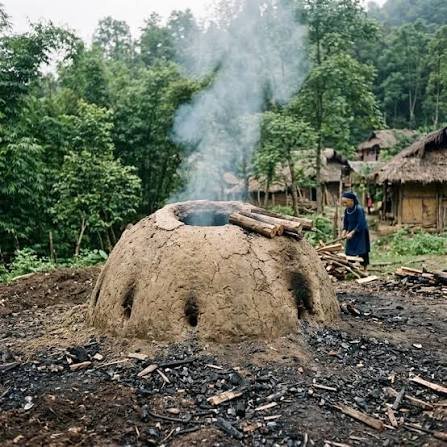
For businesses targeting modern retail shelves and international export markets, those traditional methods are running into a wall. Shipments of agricultural goods regularly face quarantine and outright destruction at international ports due to smoke soot, uneven moisture, and strict chemical safety limits.
Commercial food processors and agro-exporters are systematically replacing open-fire kilns with closed-loop heat pump drying chambers. Here is why that operational transition is happening.
1. Eliminating Carcinogenic Smoke Residue (PAHs)
The biggest hurdle facing smoked fish, meats, and fire-dried spices in international trade is Polycyclic Aromatic Hydrocarbons (PAHs).
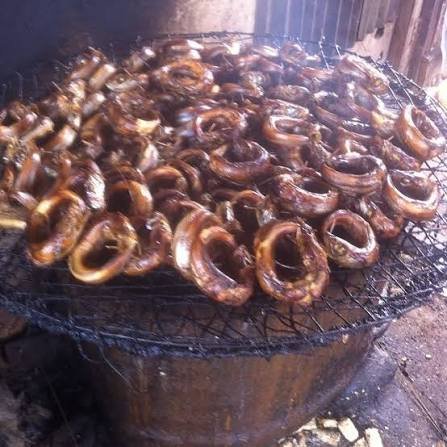
When wood or charcoal burns directly beneath food, smoke deposits heavy soot and carcinogenic chemical compounds across the surface of the meat or produce. Food safety regulators in the UK, Europe, and North America enforce near-zero tolerances for PAH contamination.
A heat pump system uses no combustion, no firewood, and no open flame. The chamber relies on clean, electrically driven thermal recycling. Food retains its pure aroma and nutritional value, completely free from soot contamination, passing international laboratory safety audits with ease.
2. Preserving Vibrant Color and Market Appeal
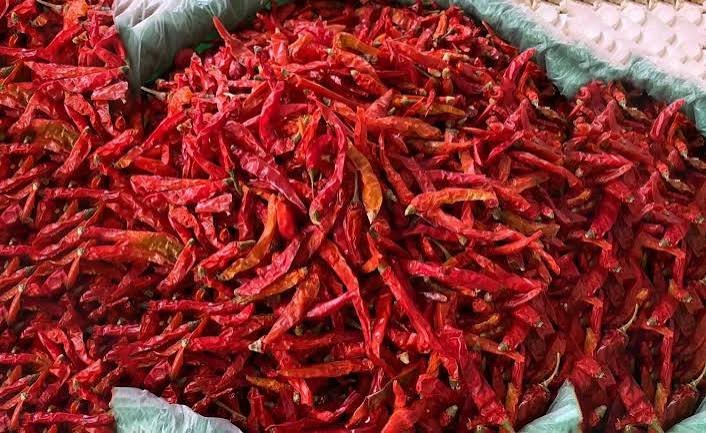
High, unmoderated heat scorches produce. When chili peppers, sliced ginger, or tomatoes sit over wood fires, they turn a dark, unappealing brown or black. The market interprets that dark color as old, or low-grade stock.
Heat pump technology allows operators to dry delicate produce at gentle temperatures between 35°C and 55°C while continuously extracting airborne moisture.
Hibiscus flowers retain their deep ruby red.
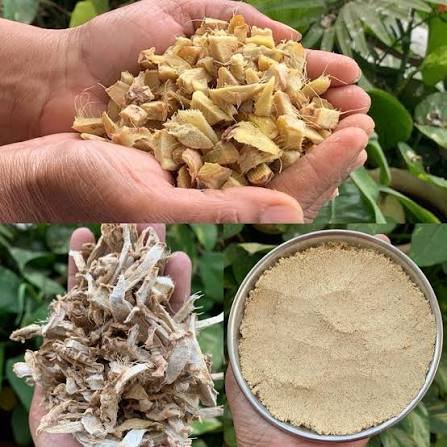
Dried ginger retains its clean, pale yellow flesh without surface browning.
Hot peppers stay bright scarlet, commanding premium wholesale prices.
3. Total Defense Against Dust, Sand, and Insects
Sun-drying produce on open concrete slabs leaves food vulnerable to passing traffic dust, livestock waste, bird droppings, and flies. Even a small trace of grit or sand in a container of dried vegetable flakes can result in a rejected consignment.
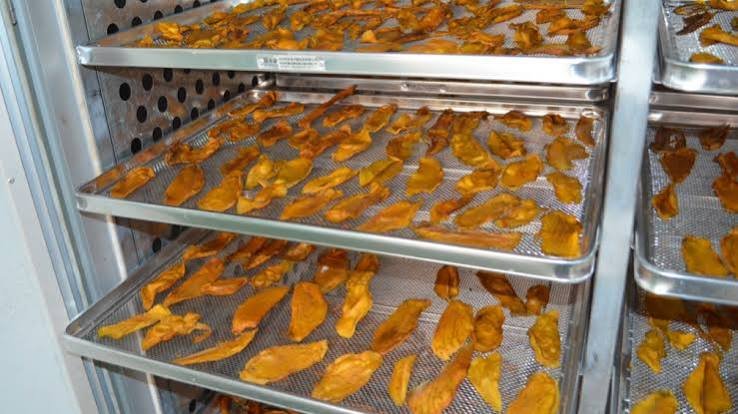
Heat pump dryers operate in a completely sealed, insulated room lined with food-grade SUS304 stainless steel. Outside air is filtered, and ambient weather plays zero role in the outcome. Whether it is pouring rain or dusty harmattan weather, the internal environment stays sterile, dry, and controlled.
4. Precision Moisture Control That Prevents Case Hardening
Traditional fire pits create intense surface heat that quickly hardens the exterior of a root or fruit while leaving the deep core soft and wet. This condition, (known as case hardening ), traps internal moisture.
Once the batch is packaged into airtight shipping boxes, that trapped moisture condenses, causing white mold to bloom across the entire consignment during sea freight.
Heat pumps balance temperature with active dehumidification. By drawing moisture out slowly and evenly across the entire slice, the product dries consistently from core to surface down to safe, shelf-stable moisture levels.
The Operational Bottom Line
While building a traditional mud kiln or laying out sun tarps carries low upfront costs, the hidden costs of burnt batches, labor-heavy firewood hauling, and rejected export containers quickly erode profit margins.
Investing in an industrial heat pump drying chamber, such as the Brandsquare DH-K15, transforms food processing from an unpredictable gamble against weather and fire into a repeatable, export-certified manufacturing process.
It eliminates moisture inconsistencies and prevents thermal degradation. The result is a standardized output that meets stringent international safety audits, lowers ongoing energy expenditure, and protects the long-term viability of high-value agricultural yields.
Continue Learning
7 Critical Things to Check Before Buying a Commercial Food Dryer
Join the BrandSquare WhatsApp Community
Get machine updates, buying tips and new arrivals straight to your phone.