
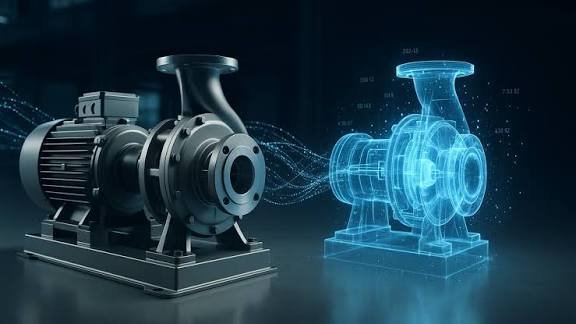
What to Look for When Comparing Two Machines
Comparing two machines is harder than it looks. Two quotes can show the same machine type and a very different total cost. Here are the seven things to check before you choose.
1. What can it actually process?
Each machine is built for specific materials. An oil press handles oilseeds, a rice mill handles paddy, and a chaff cutter handles dry fodder. Two machines with similar names may not process the same thing.
Ask each supplier to confirm in writing that the machine handles your material.
2. Does the capacity match your target?
Don’t buy on size or looks. Work out how much you want to process each day or each hour, then ask the suppliers which model fits that number.
A machine that is too small slows you down. One that is too big will cost more than you need.
3. Can your power supply run it?
This is the check people forget. Smaller machines often run on single-phase 220V. Larger industrial machines usually need three-phase 380V.
If your site only has single-phase power, a three-phase machine means extra setup cost. Ask before you compare prices.
4. What does the price include?
Two prices only compare fairly if they cover the same things. Check what each quote says about:
- Shipping and insurance
- Import duties
- Customs clearance
- Delivery to your site
Many quotes cover the machine only, often priced FOB China, so those costs come on top. Ask each supplier for the full landed cost: the total to get the machine directly delivered to your door, or factory floor.
5. How long will it take to arrive?
A cheaper machine that arrives months late can cost you more in lost sales. Ask each supplier for a timeline that includes production and sea freight. Brandsquare delivers to Nigeria and to buyers in other countries, wherever your business is based. Delivery to Nigeria is 4 to 6 weeks as standard, and we confirm the timeline for any other destination when you send your enquiry.
6. What warranty and support come with it?
Check how long the warranty lasts from suppliers, and what it covers. Ask where the exact terms are written. With us, they are stated on the proforma invoice.
Then ask what happens after you buy:
- Can you order spare parts?
- Is there a manual or operating guidance?
- Who do you call if something goes wrong?
Common wear parts can be ordered through us, and we advise on recommended spare parts at the time of purchase. We also stay available for guidance after you buy.
7. What does installation need?
Stationary machines need a solid floor or foundation. Ask what space and floor strength each machine needs, so you can prepare before it arrives.
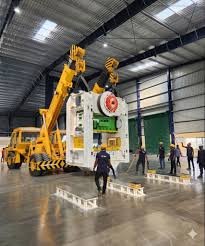
Comparing two machines: the quick checklist
- Material: does it process what you make?
- Capacity: does it fit your daily target?
- Power: single-phase or three-phase?
- Price: same inclusions on both quotes?
- Delivery: how many weeks, door to door?
- Warranty: what is covered, and for how long?
- Spare parts: can you get them?
- Installation: what space and floor do you need?
The mistake to avoid when comparing two machines
The biggest mistake is comparing price alone. A machine that costs less up front can cost more once shipping, duties and clearance are added. It can also cost more if it needs power you don’t have, or if parts are hard to find.
Compare the full picture, and the right choice is usually clear.
Need help comparing two machines?
Send the Brandsquare team: your daily or hourly production target, the material you want to process, and the power supply you have. We will recommend the most suitable model and confirm the details before you order.