
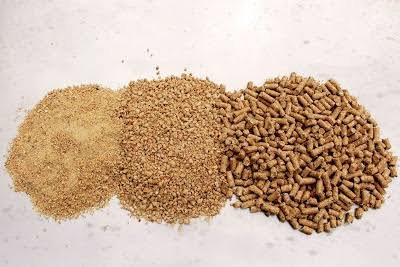
Pellet Feed vs Loose Feed: Which Is Better for Your Farm?
Feed represents anywhere between 60% and 80% of the total operating cost on a commercial livestock or poultry farm.
Because feed is such a heavy expense, farm owners constantly look for ways to reduce feed bills without compromising animal growth.
One of the most practical decisions you have to make is the physical format of the feed: pellet feed vs loose feed (often called mash feed).
Both formats use largely the same raw ingredients; ground maize, soybean meal, wheat bran, bone meal, and mineral premixes.
However, the way animals consume, digest, and waste these two feeds is very different. Understanding how each format performs helps you choose the right production setup for your birds, fish, or livestock.
What Is Loose Feed (Mash Feed)?
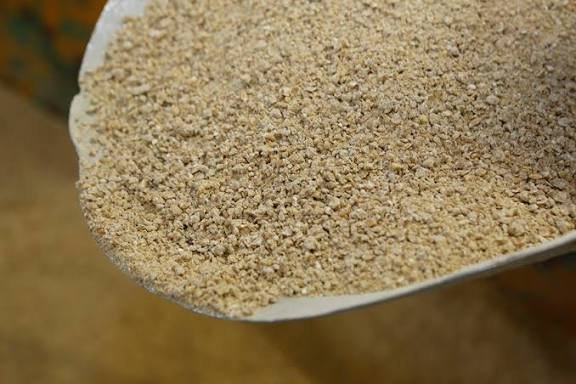
Loose feed is a simple mixture of raw ingredients that have been milled or crushed into meal and blended together.
Once your maize, soya, and additives are ground to a uniform particle size, the feed is mixed and fed directly to the animals without any further processing.
Advantages of Loose Feed
Minimal equipment required: You only need a primary grinder or hammer mill and a simple mechanical mixer.
Lower startup investment: Because there is no pelleting stage, your upfront machinery cost and electrical power draw remain low.
Quick preparation: Once the ingredients are ground and blended, the feed is ready for the feeding trough.
The Drawbacks of Loose Feed
Selective feeding: Animals, especially chickens and pigs, naturally pick out the tastier, larger grains (like cracked corn) and leave behind the powdered vitamins, minerals, and proteins settled at the bottom of the trough. Over time, this leads to uneven flock growth and nutritional deficiencies.
High wastage: Loose meal is easily scattered, scratched out of feeders, or blown away by the wind. In poultry houses, birds regularly kick mash into the litter, where it gets soiled and wasted.
Dust and respiratory issues: Dry powdery feed creates dust in enclosed pens, which can irritate the respiratory tracts of both animals and workers.
Cannot be used for aquaculture: Loose powder cannot float or hold together in water. If you feed mash to catfish or tilapia, it dissolves instantly, fouling the pond water and starving the fish.
What Is Pellet Feed?
Pellet feed takes loose, ground ingredients and compresses them through a high-pressure die into dense, uniform cylinders.
During the pelleting process, a machine called a feed pellet mill forces the conditioned meal through small die holes under intense friction and mechanical pressure. The natural starches in the grain bind together, and cutting blades slice the compressed feed into uniform lengths.
Advantages of Pellet Feed
Zero selective feeding: Every single pellet contains the exact same formulation of protein, energy, fiber, and micronutrients. An animal cannot pick and choose; every bite delivers a completely balanced diet.
Drastically reduced waste: Pellets are dense and easy for animals to pick up cleanly. They do not turn into dust or blow away, reducing trough wastage by 10% to 20% compared to loose mash.
Improved feed conversion ratio (FCR): The heat and pressure generated during pelleting partially gelatinize raw starches, making the feed easier for the animal’s digestive tract to break down. Animals gain more weight per kilogram of feed consumed.
Easier transport and storage: Compressed pellets take up less physical space in storage bags, flow smoothly through automated feeding pipes, and do not cake as easily as fine powder.
Essential for fish farming: Pelleted feed is the only viable option for commercial fish production. With the right formulation and die setup, pellets can be produced as sinking feed for bottom-feeders or floating feed for surface-feeding species like catfish.
The Drawbacks of Pellet Feed
Higher initial investment: You need a dedicated pellet mill machine in addition to your grinder.
Additional operating power: Compressing dry feed through a die requires mechanical force, which means running an electric motor ranging from 3 kW for small units up to 15 kW or more for commercial farm setups.
Moisture control is essential: Pellet mills require incoming meal to have a specific moisture range (typically 13% to 15%). If the mix is too dry, it clogs the die; if it is too wet, the pellets crumble when bagged.
Which Animals Benefit Most from Each Format?
1. Poultry (Broilers and Layers)
Commercial broilers perform significantly better on pellets or crumbles. Because broilers need to gain maximum weight within 6 to 8 weeks, dense pellets allow them to consume more nutrients in fewer feeding hours.
For egg layers, some farmers prefer coarse mash during certain laying phases, but pelleted grower feeds remain the standard for uniform development.
2. Fish (Catfish and Tilapia)
Fish cannot eat loose feed. Attempting to broadcast dry mash over a pond is simply throwing money into dirty water.
Aquaculture demands water-stable pellets, usually 2 mm to 4 mm in size for fingerlings and juveniles, and larger sizes for grow-out stages.
3. Pigs and Rabbits
Pigs are aggressive eaters and waste substantial amounts of loose meal by rooting in troughs. Pelleted feed (typically 4 mm to 8 mm) keeps pens clean and prevents respiratory coughing from feed dust.
Rabbits require high-fiber diets that hold together without disintegrating into powder, making pellets the practical standard.
4. Cattle, Sheep, and Goats
Ruminants require bulky, long-fiber roughage for proper rumen digestion.
For these animals, the foundation of the diet is usually chopped forage or straw prepared using a chaff cutter. However, concentrated protein-and-energy supplements are frequently compressed into large 6 mm to 10 mm pellets to feed alongside chopped grass.
What Equipment Do You Need to Produce Pellets on Your Farm?
If you decide to move from loose feed to pellets, you do not need an entire industrial feed factory.
A practical on-farm pelleting setup consists of three stages:
1. Size Reduction (Grinder or Powder Crusher): Raw grains like maize and soybeans must first be reduced to fine meal. A pellet mill cannot compress whole kernels.
2. Blending (Feed Mixer): Ground materials, minerals, and oils are mixed thoroughly so the formulation is even throughout.
3. Pellet Compression (Feed Pellet Mill): The blended meal is fed into the pellet mill, where press rollers force the mixture through a flat or ring die.
For small to medium farms, compact electric units, such as 3 kW to 7.5 kW pellet mills, produce between 40 kg and 300 kg of pellets per hour on standard or light three-phase power supplies.
For commercial feed businesses supplying surrounding farms, larger 15 kW to 22 kW units can produce 400 kg to 1,200 kg per hour.
The Economics: Does Making Pellets Pay Off?
Buying pre-bagged commercial pellets from large feed millers is expensive. In many cases, commercial feed prices reflect branding, long-distance transport, and distributor markups.
Producing your own pellets on-site requires an upfront investment in equipment, but it gives you two distinct financial advantages:
1. Lower input costs: You buy raw grain, soya, and bran in bulk when seasonal prices are low and process them yourself.
2. Feed waste savings: Eliminating the 10% to 15% feed wastage typical of loose mash directly lowers your production cost per bird or per kilogram of fish.
For farms feeding more than 500 birds or operating active fish ponds, the savings on feed bills often offset the purchase cost of a small pellet mill within 6 to 12 months.
Final Recommendation
If you are running a very small backyard setup with a limited budget, loose feed is an accessible way to start. It keeps machinery investment low and requires minimal power.
However, once you expand into commercial production, especially with broilers, pigs, or aquaculture, the waste, selective feeding, and slower growth rates of loose feed will cost you more money in the long run than investing in proper processing equipment.
At Brandsquare, we supply both standalone feed pellet mills and complete grain-crushing machinery to help farms take control of their feed quality and production costs.
If you are planning to produce your own animal feed, start by identifying the species you are raising, your daily feed requirement, and the power supply available at your site. Those three details make it easy to select the right die size and motor capacity for your farm.
Continue Learning
Machine Price vs Landed Cost: What Buyers Need to Know (How to calculate total import costs for farm equipment)
Difference Between a Powder Crusher, Pulveriser and Grinder (Selecting the right primary mill for preparing your feed ingredients)